Understanding the lifespan of ductwork is essential for homeowners who prioritize comfort and air quality in their living spaces. Ducts are the unseen conduits that transport heated or cooled air throughout your home, playing a pivotal role in your HVAC system's efficiency. Over time, these ducts can deteriorate due to various factors, including age, material, and environmental conditions. Recognizing when your ductwork may need attention can significantly impact not only your home's comfort but also your energy bills and indoor air quality.As ducts age, they can develop leaks, blockages, or other issues that compromise their functionality.
This is where duct repair becomes crucial. Homeowners often overlook the importance of maintaining their duct systems until they notice a drop in performance or an increase in energy costs. However, proactive measures can extend the lifespan of your ductwork and enhance the overall efficiency of your HVAC system. Regular inspections and timely repairs can prevent minor issues from escalating into costly replacements.Moreover, understanding the factors that influence duct longevity is vital for making informed decisions about maintenance and upgrades.
Elements such as the quality of installation, the materials used, and even local climate conditions can all affect how long your ducts will last. By being aware of these factors, you can take steps to ensure that your home remains comfortable year-round while also safeguarding your investment in your HVAC system.
What is Ductwork and Its Role in HVAC Systems?
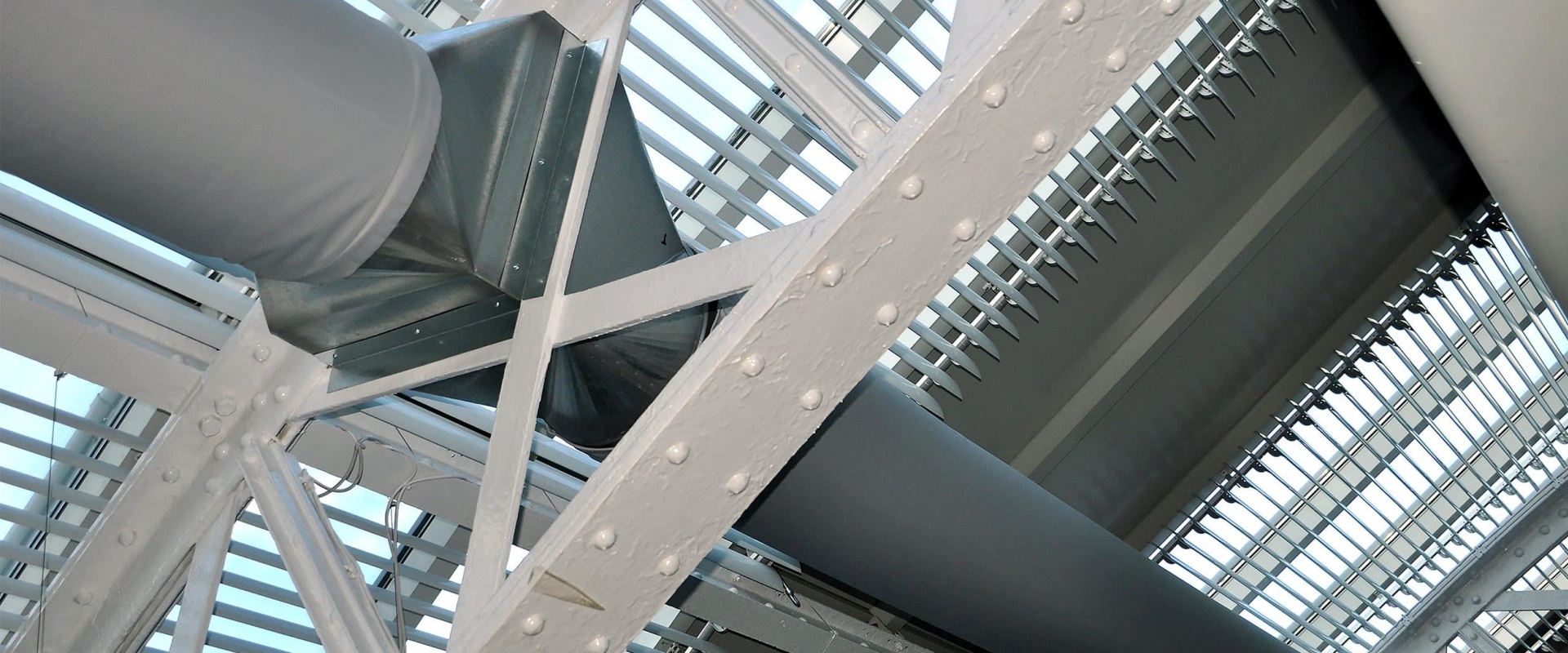
Ductwork is a vital component of any HVAC (Heating, Ventilation, and Air Conditioning) system, serving as the network of pathways that distribute conditioned air throughout a building. Understanding what ductwork is and its role can help homeowners appreciate the importance of maintaining it for optimal performance.At its core, ductwork consists of a series of tubes or channels made from various materials, including sheet metal, fiberglass, or flexible plastic. These ducts are designed to transport air from the HVAC unit to different areas of a home or commercial space.The primary components of ductwork include:
- Supply Ducts: These ducts carry heated or cooled air from the HVAC system into the living spaces.
- Return Ducts: These ducts pull air back into the HVAC system for reconditioning, ensuring a continuous cycle of air circulation.
- Registers and Grilles: These are the openings through which air enters and exits rooms. They can be adjusted to control airflow.
- Duct Insulation: Insulation helps maintain the temperature of the air traveling through the ducts, preventing energy loss.
- Temperature Regulation: Ducts ensure that every room receives an adequate supply of heated or cooled air, maintaining a comfortable indoor environment.
- Air Quality Improvement: Properly functioning ductwork helps filter out dust, allergens, and other pollutants, contributing to better indoor air quality.
- Energy Efficiency: Well-designed and maintained duct systems minimize energy loss, leading to lower utility bills and reduced environmental impact.
Neglecting ductwork can lead to various issues, including poor air quality and increased energy costs, making it imperative for homeowners to prioritize its upkeep.
Average Lifespan of Ductwork
The average lifespan of ductwork typically ranges from 10 to 15 years , but this can vary based on several factors. Understanding these factors is crucial for homeowners who want to maintain an efficient and healthy HVAC system.One of the primary influences on ductwork longevity is the material used in its construction. For instance, flexible ducts, often made from plastic or metal, may last around 10 to 15 years, while metal ducts, such as those made from galvanized steel, can endure longer, sometimes exceeding 20 years with proper maintenance. The choice of material not only affects durability but also impacts the overall efficiency of your heating and cooling systems.Another significant factor is the quality of installation.Poorly installed ductwork can lead to leaks and inefficiencies that shorten its lifespan. If ducts are not sealed properly or are installed in a way that restricts airflow, they may experience increased wear and tear, leading to premature failure. Regular inspections by a qualified HVAC technician can help identify installation issues early on.
Environmental conditions
also play a role in the lifespan of ductwork. Homes located in areas with high humidity or extreme temperatures may see their ducts deteriorate faster due to condensation and thermal expansion.
Additionally, exposure to pests such as rodents can cause significant damage, leading to costly repairs or replacements.As ductwork ages, it becomes more susceptible to problems such as leaks, which can significantly impact indoor air quality and energy efficiency. Homeowners should be vigilant for signs of aging ducts, including:
- Increased energy bills
- Uneven heating or cooling throughout the home
- Unusual noises coming from the HVAC system
- Visible signs of wear or damage on the ducts
Factors Affecting Ductwork Longevity
The longevity of ductwork is influenced by a variety of factors that can significantly impact its performance and lifespan.Understanding these factors can help homeowners make informed decisions regarding duct repair and maintenance.
Material Types
The type of material used in duct construction plays a crucial role in determining how long the ducts will last. Common materials include:- Fiberglass: Known for its insulation properties, fiberglass ducts are lightweight and resistant to corrosion. However, they can be prone to mold growth if moisture accumulates, which can compromise air quality.
- Sheet Metal: Typically made from galvanized steel or aluminum, sheet metal ducts are durable and less likely to harbor mold or bacteria. They can last up to 20 years or more with proper maintenance but may require duct repair if they develop leaks or rust.
- Flexible Ducts: These are made from a combination of plastic and metal and are easy to install in tight spaces.
However, they are less durable than metal ducts and may need replacement every 10 to 15 years due to wear and tear.
Installation Quality
The quality of installation is another critical factor affecting duct lifespan. Poorly installed ducts can lead to air leaks, which not only reduce efficiency but also increase energy costs. Ensuring that ducts are sealed properly and insulated can prevent premature deterioration.Environmental Conditions
Ductwork is also subject to environmental conditions that can affect its longevity. For instance:- Humidity: High humidity levels can lead to condensation within the ducts, promoting mold growth and corrosion, especially in metal ducts.
- Temperature Fluctuations: Extreme temperature changes can cause materials to expand and contract, leading to cracks or breaks over time.
- Pest Infestations: Rodents and insects can damage ductwork, particularly if it is made from softer materials like fiberglass.
Maintenance Practices
Regular maintenance is essential for extending the life of ductwork.Homeowners should consider the following practices:
- Regular Inspections: Schedule annual inspections with a qualified HVAC technician to identify potential issues before they escalate.
- Cleansing Ducts: Periodic cleaning helps remove dust, debris, and allergens that can accumulate over time, improving air quality and system efficiency.
- Sealing Leaks: Addressing any leaks promptly through duct repair ensures that the system operates efficiently and prolongs the lifespan of the ducts.
Signs Your Ductwork Needs Repair or Replacement
Recognizing the signs that your ductwork needs repair or replacement is crucial for maintaining a healthy and comfortable home environment. Ignoring these signs can lead to more significant issues, including increased energy costs and poor indoor air quality. Here are some common indicators that your ductwork may be compromised:- Inconsistent Temperatures: If certain rooms in your home are significantly warmer or cooler than others, it may indicate that your ductwork is not distributing air evenly. This inconsistency can be a sign of blockages, leaks, or other issues within the ducts.
- Unusual Noises: Sounds such as rattling, whistling, or banging coming from your ducts can signal loose components or airflow obstructions.
These noises often indicate that repairs are needed to restore proper function.
- Increased Energy Bills: A sudden spike in your energy bills can suggest that your HVAC system is working harder due to inefficient ductwork. Leaks or damage in the ducts can cause heated or cooled air to escape, forcing your system to use more energy to maintain the desired temperature.
- Mold Growth: If you notice mold around your vents or in the ductwork itself, it’s a clear sign of moisture issues. Mold thrives in damp environments, and its presence indicates that your ducts may need immediate attention to prevent health risks.
- Pest Infestations: Ducts can become a pathway for pests such as rodents and insects. If you find signs of pest activity near your vents, it may be time to inspect your ductwork for gaps or holes that need sealing.
- Dust Accumulation: Excessive dust around your home or on furniture can indicate that your ducts are dirty or leaking.
This not only affects air quality but also means that your HVAC system is working harder to filter the air.
The Importance of Regular Maintenance for Ductwork
Maintaining your ductwork is essential for ensuring its longevity and efficiency. Regular maintenance not only extends the lifespan of your ducts but also enhances the overall air quality in your home. Here are some key reasons why duct maintenance is crucial:- Improved Air Quality: Dust, allergens, and other pollutants can accumulate in your ducts over time.
Regular cleaning helps to remove these contaminants, leading to healthier indoor air.
- Energy Efficiency: Well-maintained ducts allow for better airflow, which can reduce energy consumption. This efficiency translates into lower utility bills and a more comfortable living environment.
- Prevention of Damage: Regular inspections can identify potential issues before they escalate into costly repairs. Catching problems early can save you money in the long run.
- Schedule Regular Inspections: Have a professional inspect your ducts at least once every few years. They can check for leaks, blockages, and other issues that may not be visible to the untrained eye.
- Clean Your Ducts: Depending on usage and environmental factors, consider having your ducts professionally cleaned every 3 to 5 years.
This process removes dust, mold, and other debris that can affect air quality.
- Change Filters Regularly: Replace HVAC filters every 1 to 3 months to ensure optimal airflow and reduce strain on your system. Clogged filters can lead to increased energy costs and reduced efficiency.
- Seal Leaks: Inspect your ducts for any leaks or gaps. Sealing these areas with appropriate materials can prevent air loss and improve system performance.
- Insulate Ducts: Proper insulation helps maintain the temperature of the air traveling through your ducts, reducing energy waste and improving comfort levels in your home.
Cost Considerations: Repair vs.
ReplacementWhen it comes to maintaining your HVAC system, one of the most significant decisions homeowners face is whether to repair or replace their ductwork. Understanding the costs associated with each option is crucial for making an informed choice that aligns with your budget and long-term goals.
Duct Repair Costs
- The cost of duct repair can vary widely depending on the extent of the damage and the specific issues at hand. On average, homeowners can expect to pay between $300 and $1,500 for repairs.
- Minor repairs, such as sealing small leaks or replacing a few sections of duct, may only cost a few hundred dollars. However, more extensive repairs, like fixing significant leaks or replacing large sections of ductwork, can push costs higher.
- Additionally, if the ductwork is located in hard-to-reach areas, labor costs may increase due to the additional time and effort required.
Replacement Costs
- Replacing ductwork is generally a more expensive endeavor.
Homeowners should anticipate spending anywhere from $2,000 to $5,000 or more, depending on the size of their home and the complexity of the installation.
- The cost of replacement includes not only the materials but also labor costs associated with removing old ducts and installing new ones. If your home requires custom ductwork to fit unique spaces, this can further increase expenses.
- Moreover, if you are upgrading to more energy-efficient duct systems, you may incur additional costs upfront but save money in the long run through reduced energy bills.
Cost Comparison: Repair vs. Replacement
When weighing duct repair against replacement, consider both immediate and long-term financial implications:
- If your ducts are relatively new and only require minor repairs, fixing them may be the most cost-effective solution.
- However, if your ductwork is nearing the end of its lifespan or has multiple issues, investing in a full replacement could save you money on future repairs and improve your home's energy efficiency.
- Ultimately, consulting with an HVAC professional can provide valuable insights tailored to your specific situation, helping you make a decision that balances cost with comfort and efficiency.
DIY Duct Repair: What You Can Do Yourself
Maintaining your ductwork is essential for ensuring optimal airflow and energy efficiency in your home. While some duct issues may require professional intervention, there are several DIY duct repair tasks that homeowners can tackle themselves.Here are some practical tips to help you address minor duct problems effectively.
Identifying Common Duct Issues
Before diving into repairs, it’s crucial to identify the specific issues affecting your ducts. Common problems include:- Leaks: Small holes or gaps in the ductwork can lead to significant energy loss.
- Dents and Crushed Ducts: Physical damage can restrict airflow and reduce efficiency.
- Disconnected Joints: Ducts that have come apart can cause air to escape.
- Insulation Damage: Insulation that is torn or missing can lead to temperature fluctuations.
Simple DIY Duct Repair Tips
Once you’ve identified the problem, here are some steps you can take to repair your ducts:- Seal Leaks: Use mastic sealant or metal tape to seal any leaks you find. Avoid using regular duct tape, as it may not hold up over time.
- Repair Dents: For minor dents, gently push the duct back into shape using your hands. If the damage is severe, consider replacing that section of duct.
- Reconnect Joints: If you find disconnected joints, simply reattach them and secure with metal tape or clamps to ensure a tight fit.
- Add Insulation: If insulation is missing or damaged, replace it with new insulation material designed for ducts.
This will help maintain temperature and improve energy efficiency.
When to Call a Professional
While many repairs can be handled on your own, there are situations where it’s best to call in a professional:- If you encounter extensive damage or mold growth within the ducts.
- If you’re unsure about how to safely perform a repair.
- If your ducts are located in hard-to-reach areas, such as crawl spaces or attics.
When to Call a Professional for Duct Repair or Replacement
Understanding when to seek professional help for duct repair or replacement is crucial for maintaining an efficient HVAC system. While some minor issues can be addressed by homeowners, there are specific scenarios where the expertise of a qualified technician is essential.Signs You Need Professional Duct Repair
- Visible Damage: If you notice any visible tears, holes, or significant wear in your ductwork, it’s time to call a professional. Damaged ducts can lead to air leaks, which reduce efficiency and increase energy costs.
- Unusual Noises: Sounds such as rattling, hissing, or whistling coming from your ducts can indicate loose connections or blockages.
These issues require a trained technician to diagnose and fix.
- Inconsistent Temperatures: If certain rooms in your home are significantly warmer or cooler than others, it may be a sign of duct issues. A professional can assess airflow and identify any blockages or leaks.
- Mold Growth: The presence of mold around your ducts or in your home can indicate moisture problems. This is a serious health concern that requires immediate attention from an HVAC expert.
- Increased Energy Bills: A sudden spike in your energy bills without a corresponding increase in usage may suggest that your ducts are not functioning efficiently. A professional can evaluate the system and recommend necessary repairs.
When to Hire HVAC Professionals
It’s advisable to hire HVAC professionals for duct repair or replacement in the following situations:- Complex Repairs: If the issue involves extensive repairs or replacement of duct sections, professionals have the tools and expertise to handle these tasks safely and effectively.
- Lack of Experience: If you’re unsure about diagnosing the problem or lack the necessary tools, it’s best to leave it to the experts.
Attempting repairs without proper knowledge can lead to further damage.
- Regular Maintenance: Scheduling regular inspections and maintenance with professionals can help catch potential issues before they escalate into costly repairs.
<strong>Conclusion</strong>
In summary, understanding the lifespan of ductwork is essential for maintaining a comfortable and healthy living environment. While ducts typically last between 10 to 15 years, various factors can influence their longevity, including the material used, installation quality, and maintenance practices. Homeowners should be proactive in monitoring their duct systems to identify any signs of wear or damage that may necessitate duct repair or replacement.Regular inspections can help catch issues early, such as leaks, blockages, or corrosion, which can significantly impact the efficiency of your HVAC system.If you notice uneven heating or cooling in your home, increased energy bills, or strange noises coming from your ducts, it may be time to consult a professional for an assessment.Moreover, investing in high-quality ductwork and ensuring proper installation can extend the lifespan of your system. Choosing materials that are resistant to wear and tear, such as galvanized steel or aluminum, can provide added durability. Additionally, regular maintenance—such as cleaning and sealing ducts—can prevent the buildup of dust and debris that can lead to inefficiencies.Ultimately, while replacing old ductwork may seem daunting and costly, it is a necessary investment in your home’s comfort and air quality. By prioritizing duct repair and replacement when needed, you not only enhance the performance of your HVAC system but also contribute to a healthier living environment for you and your family.In conclusion, staying informed about the condition of your ductwork and taking timely action can save you money in the long run while ensuring that your home remains a comfortable sanctuary throughout the seasons.