Ductwork is a fundamental component of any HVAC (Heating, Ventilation, and Air Conditioning) system, serving as the network through which conditioned air flows throughout your home. It is responsible for distributing warm or cool air to every room, ensuring that your living environment remains comfortable regardless of the season. However, many homeowners overlook the significance of ductwork until problems arise. Understanding its role is crucial for maintaining a healthy and efficient home.At its core, ductwork is designed to facilitate airflow, but its importance extends beyond mere air distribution.
Properly installed and maintained ducts can significantly enhance the efficiency of your HVAC system, leading to lower energy bills and improved indoor air quality. When ducts are compromised—whether due to age, damage, or poor installation—the entire system can suffer. This can result in uneven temperatures across rooms, increased energy consumption, and even health issues stemming from poor air quality.Moreover, the materials used in duct construction can also impact performance. For instance, metal ducts are durable and less prone to leaks compared to flexible plastic ones.
However, regardless of the material, regular inspections and maintenance are essential to ensure that your ductwork remains in optimal condition. Homeowners should be proactive in understanding how their ductwork functions and the signs that indicate it may need repair or replacement.In summary, recognizing the critical role of ductwork in your HVAC system is the first step toward ensuring a comfortable and healthy living space. By prioritizing regular maintenance and being aware of potential issues, you can safeguard your home against inefficiencies and health risks associated with neglected ductwork.
Signs Your Ductwork Needs Repair or Replacement
Recognizing the signs that your ductwork requires repair or replacement is crucial for maintaining a comfortable and healthy home environment. Ignoring these indicators can lead to increased energy costs, poor air quality, and even damage to your HVAC system.Here are some common signs that suggest your ductwork may need attention:
- Inconsistent Temperatures: If certain rooms in your home are significantly warmer or cooler than others, it may indicate that your ductwork is not distributing air evenly. This inconsistency can be a sign of blockages, leaks, or improperly sized ducts.
- Unusual Noises: Sounds such as rattling, whistling, or banging coming from your ducts can indicate loose connections or debris within the system. These noises often signal that repairs are needed to restore proper airflow.
- Increased Energy Bills: A sudden spike in your energy bills can be a red flag. If your HVAC system is working harder due to leaks or blockages in the ductwork, it will consume more energy, leading to higher costs.
- Mold Growth: The presence of mold around vents or within the ductwork itself is a serious issue.
Mold thrives in damp environments, and if your ducts are leaking moisture, it can lead to health problems and further damage.
- Pest Infestations: If you notice signs of pests such as rodents or insects near your vents or within the ductwork, it’s essential to address this immediately. Pests can cause significant damage and compromise the integrity of your ducts.
- Dust Accumulation: An increase in dust around your home, especially near vents, may indicate that your ducts are leaking or not filtering air properly. This can lead to poor indoor air quality and respiratory issues.
Regular inspections and maintenance can help catch these issues early, ensuring that your home remains comfortable and energy-efficient.
The Impact of Poorly Maintained Ductwork on Energy Efficiency
When it comes to maintaining a comfortable home environment, the efficiency of your HVAC system is paramount. One of the most critical components of this system is the ductwork, which is responsible for distributing heated or cooled air throughout your living spaces. However, poorly maintained ductwork can significantly hinder energy efficiency, leading to increased energy consumption and higher utility bills.Neglected ducts can develop a range of issues that compromise their performance. For instance, leaks or gaps in the ductwork can allow conditioned air to escape before it reaches its intended destination.This not only results in uneven temperatures throughout your home but also forces your HVAC system to work harder to maintain the desired climate. As a result, you may notice a marked increase in your energy bills.Moreover, dust and debris accumulation within the ducts can restrict airflow, further diminishing efficiency. When airflow is obstructed, your HVAC system must exert more energy to push air through the ducts, leading to higher operational costs. Regular maintenance, including cleaning and sealing ducts, can mitigate these issues and enhance overall system performance.Investing in duct repair and maintenance not only improves energy efficiency but also extends the lifespan of your HVAC system.
A well-maintained system operates more smoothly and requires fewer repairs over time, translating into long-term savings. Homeowners who prioritize regular inspections and maintenance can expect to see a reduction in their monthly energy expenses.In addition to financial benefits, maintaining your ductwork contributes to better indoor air quality. Contaminants trapped in dirty ducts can circulate throughout your home, potentially leading to health issues for you and your family. By ensuring that your ducts are clean and well-maintained, you create a healthier living environment while also optimizing energy use.In summary, the impact of poorly maintained ductwork on energy efficiency cannot be overstated.
Regular maintenance and timely duct repair are essential for keeping your HVAC system running efficiently, reducing energy costs, and improving indoor air quality. By taking proactive steps to care for your ductwork, you not only save money but also enhance the comfort and health of your home.
Health Implications of Neglected Ductwork
When it comes to maintaining a healthy home environment, the condition of your ductwork plays a crucial role. Neglected ducts can become a breeding ground for various contaminants, leading to significant health risks for you and your family. Understanding these implications is essential for any homeowner who values both comfort and well-being.Air Quality Concerns
One of the most pressing issues associated with dirty or damaged ductwork is the deterioration of indoor air quality.
Over time, dust, dirt, mold, and other pollutants can accumulate within the ducts. When your HVAC system operates, these contaminants are circulated throughout your home, potentially leading to respiratory problems and other health issues.
Health Risks of Poor Duct Maintenance
- Respiratory Issues: Poor air quality can exacerbate conditions such as asthma and allergies. Individuals with pre-existing respiratory conditions may find their symptoms worsening due to airborne irritants.
- Increased Allergens: Pollen, pet dander, and dust mites can easily settle in unclean ducts. When disturbed by airflow, these allergens can trigger allergic reactions in sensitive individuals.
- Mold Growth: Moisture in the ducts can lead to mold development, which poses serious health risks.
Mold spores can cause allergic reactions and respiratory issues when inhaled.
- Unpleasant Odors: Accumulated debris in ductwork can produce musty smells that permeate your living space, making it uncomfortable and uninviting.
Allergens in Ducts
The presence of allergens in your ductwork is not just a nuisance; it can have serious implications for your family's health. Common allergens that may be found in neglected ducts include:
- Dust Mites: These microscopic creatures thrive in warm, humid environments and can trigger allergic reactions.
- Pollen: Seasonal pollen can enter your home through open windows or doors and settle in the ducts, leading to increased allergy symptoms during peak seasons.
- Mold Spores: As mentioned earlier, mold growth in ducts can release spores into the air, causing respiratory distress.
How Often Should You Inspect and Maintain Your Ductwork?
Regular inspection and maintenance of your ductwork is crucial for ensuring optimal performance and longevity of your HVAC system.But how often should you actually inspect and maintain your ducts? The answer can vary based on several factors, including the age of your ductwork, the type of HVAC system you have, and your local environment.
General Guidelines for Duct Inspection
- It is recommended to have your ductwork inspected at least once every three to five years. This allows for early detection of any potential issues such as leaks, blockages, or signs of wear and tear.
- If you notice any changes in airflow or an increase in energy bills, it may be time for a more immediate inspection.
- For homes with pets or high levels of dust and allergens, consider increasing the frequency of inspections to once a year.
Maintenance Schedule for Ducts
In addition to regular inspections, a maintenance schedule is essential for keeping your ductwork in top condition. Here are some key maintenance tasks:
- Cleaning: Duct cleaning should be performed every three to five years, depending on usage and environmental factors. If you live in an area with high pollen counts or dust storms, more frequent cleaning may be necessary.
- Sealing Leaks: Inspecting for and sealing any leaks should be part of your annual maintenance routine.
Even small leaks can lead to significant energy loss.
- Insulation Check: Ensure that the insulation around your ducts is intact and effective. This should be checked during each inspection.
How Often to Clean Ducts
The frequency of duct cleaning can depend on various factors:
- If you have allergies or respiratory issues, consider cleaning your ducts annually to reduce allergens.
- Homes with multiple pets may require more frequent cleaning due to pet hair and dander accumulation.
- If you notice visible dust or debris coming from your vents, it’s a clear sign that it’s time for a thorough cleaning.
When Is Replacement Necessary? Key Considerations
Understanding when to replace your ductwork is crucial for maintaining an efficient HVAC system. While regular maintenance can extend the life of your ducts, certain conditions necessitate a full replacement.Here are some key considerations to help you determine if it’s time for new ductwork.
Signs Indicating Duct Replacement
- Age of Ducts: If your ductwork is over 15 years old, it may be time to consider replacement. Older ducts are more prone to damage and inefficiency.
- Visible Damage: Look for signs of wear and tear, such as cracks, holes, or rust. These issues can lead to air leaks, reducing efficiency and air quality.
- Mold Growth: The presence of mold in your ducts is a serious concern. Not only does it affect air quality, but it can also pose health risks.
If mold is found, replacing the ducts is often necessary after addressing the source of moisture.
- Pest Infestation: If you notice signs of pests in your ductwork, such as droppings or nests, it’s essential to replace the affected sections to prevent further contamination.
- Inconsistent Temperatures: If certain rooms in your home are consistently warmer or cooler than others, this could indicate that your ductwork is not functioning properly and may need replacement.
Factors Influencing Duct Replacement
Several factors can influence the decision to replace rather than repair ductwork:- Type of Duct Material: Some materials, like fiberglass or flexible ducts, may degrade faster than others. If your ducts are made from less durable materials, replacement might be more cost-effective in the long run.
- System Compatibility: If you’re upgrading to a new HVAC system, ensure that your existing ductwork is compatible. Older ducts may not support the efficiency of modern systems.
- Air Quality Concerns: If you frequently experience allergies or respiratory issues, replacing old or damaged ducts can significantly improve indoor air quality.
Choosing the Right Professional for Duct Repair and Replacement
When it comes to duct repair and replacement, selecting the right HVAC contractor is crucial for ensuring that the job is done correctly and efficiently.With so many options available, it can be overwhelming to find a qualified professional. Here are some essential tips to help you make an informed decision.
1.Check Credentials and Experience
Start by verifying the contractor's credentials. Look for licenses, certifications, and insurance coverage. A reputable HVAC contractor should have the necessary licenses to operate in your state and carry liability insurance to protect you from any potential damages during the repair or replacement process.Additionally, consider their experience in the industry; contractors with several years of experience are often more adept at handling various ductwork issues.
2.Read Reviews and Testimonials
Online reviews and testimonials can provide valuable insights into a contractor's reputation. Websites like Yelp, Google Reviews, and Angie's List can help you gauge customer satisfaction. Pay attention to feedback regarding the quality of work, professionalism, and responsiveness. A contractor with consistently positive reviews is likely to deliver satisfactory results.3.Ask for References
A reliable contractor should be willing to provide references from previous clients.Contact these references to inquire about their experiences with the contractor. Ask specific questions about the quality of work, adherence to timelines, and overall satisfaction with the duct repair or replacement services.
4.Get Multiple Estimates
Before making a decision, obtain estimates from at least three different contractors. This will give you a better understanding of the market rates for duct repair services in your area. Be cautious of estimates that seem significantly lower than others; they may indicate subpar materials or workmanship.5.Evaluate Communication Skills
Effective communication is vital when working with an HVAC contractor.During your initial interactions, assess how well they listen to your concerns and answer your questions. A good contractor should be transparent about the process, costs, and any potential issues that may arise during the project.
6.Inquire About Warranties
Ask potential contractors about warranties on both labor and materials used in the duct repair or replacement process. A solid warranty can provide peace of mind, ensuring that you are covered in case of any future issues related to their work.By following these guidelines, you can confidently choose a qualified HVAC contractor for your duct repair or replacement needs. Taking the time to research and evaluate your options will ultimately lead to better results and a more comfortable home environment.Cost Factors Associated with Duct Repair and Replacement
When considering duct repair or replacement, understanding the associated costs is essential for homeowners.The financial implications can vary significantly based on several factors, making it crucial to budget appropriately for HVAC services.
1.Age and Condition of Existing Ductwork
The age and current state of your ductwork play a significant role in determining repair or replacement costs. Older ducts may require more extensive repairs or complete replacement if they show signs of wear, such as leaks or corrosion. If your ducts are over 15 years old, it’s often more cost-effective to replace them rather than invest in repeated repairs.
2.Type of Duct Material
Ducts can be made from various materials, including fiberglass, sheet metal, and flexible plastic. Each material has its own cost implications:
- Fiberglass: Generally less expensive but may require more frequent repairs.
- Sheet Metal: More durable and efficient but comes at a higher initial cost.
- Flexible Ducts: Easy to install but can be prone to damage if not handled properly.
3.Complexity of the Duct System
The layout and complexity of your duct system can also affect costs.
A straightforward design with fewer bends and turns will typically be less expensive to repair or replace than a complex system that requires extensive labor and materials. Additionally, if your ducts are located in hard-to-reach areas, such as crawl spaces or attics, labor costs may increase due to the additional time and effort required.
4.Labor Costs
Labor costs can vary widely depending on your location and the HVAC contractor you choose. It’s advisable to obtain multiple quotes from reputable contractors to ensure you’re getting a fair price. Keep in mind that while it may be tempting to choose the lowest bid, quality should not be compromised for cost.
5.Additional Services
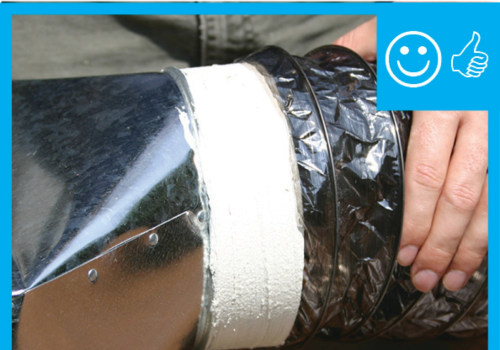
If you’re replacing ductwork, consider whether additional services are needed, such as insulation or sealing.
These services can enhance the efficiency of your HVAC system but will add to the overall cost.In summary, budgeting for duct repair or replacement involves considering various factors including the age and condition of your ducts, material type, system complexity, labor costs, and any additional services required. By understanding these elements, homeowners can make informed decisions that align with their financial capabilities while ensuring optimal performance of their HVAC systems.
<strong>Conclusion</strong>: The Long-Term Benefits of Regular Duct Maintenance and Replacement
In summary, the significance of regular maintenance and timely replacement of AC ductwork cannot be overstated. Homeowners often overlook the critical role that ductwork plays in the overall efficiency and effectiveness of their HVAC systems. By prioritizing duct repair and maintenance, you not only enhance the performance of your heating and cooling systems but also contribute to a healthier living environment.One of the primary benefits of maintaining your ductwork is improved energy efficiency.Well-maintained ducts ensure that air flows freely throughout your home, reducing the workload on your HVAC system. This translates to lower energy bills and a reduced carbon footprint, making it an environmentally friendly choice.Moreover, regular inspections can help identify potential issues before they escalate into costly repairs. For instance, small leaks or blockages can lead to significant air loss, which not only affects comfort levels but can also lead to increased wear and tear on your HVAC system. By addressing these problems early through duct repair, you can extend the lifespan of your equipment.Another crucial aspect is indoor air quality.
Over time, dust, allergens, and even mold can accumulate in your ductwork, negatively impacting the air you breathe. Regular cleaning and maintenance help mitigate these risks, ensuring that your home remains a safe haven for you and your family.Finally, as technology advances, older duct systems may not be compatible with new high-efficiency HVAC units. Replacing outdated ductwork can optimize performance and ensure that you are getting the most out of your investment in modern heating and cooling technology.In conclusion, investing in regular maintenance and timely replacement of AC ductwork is essential for maintaining a comfortable, efficient, and healthy home. By taking proactive steps to care for your duct system, you are not only enhancing your immediate living conditions but also safeguarding your long-term comfort and financial well-being.