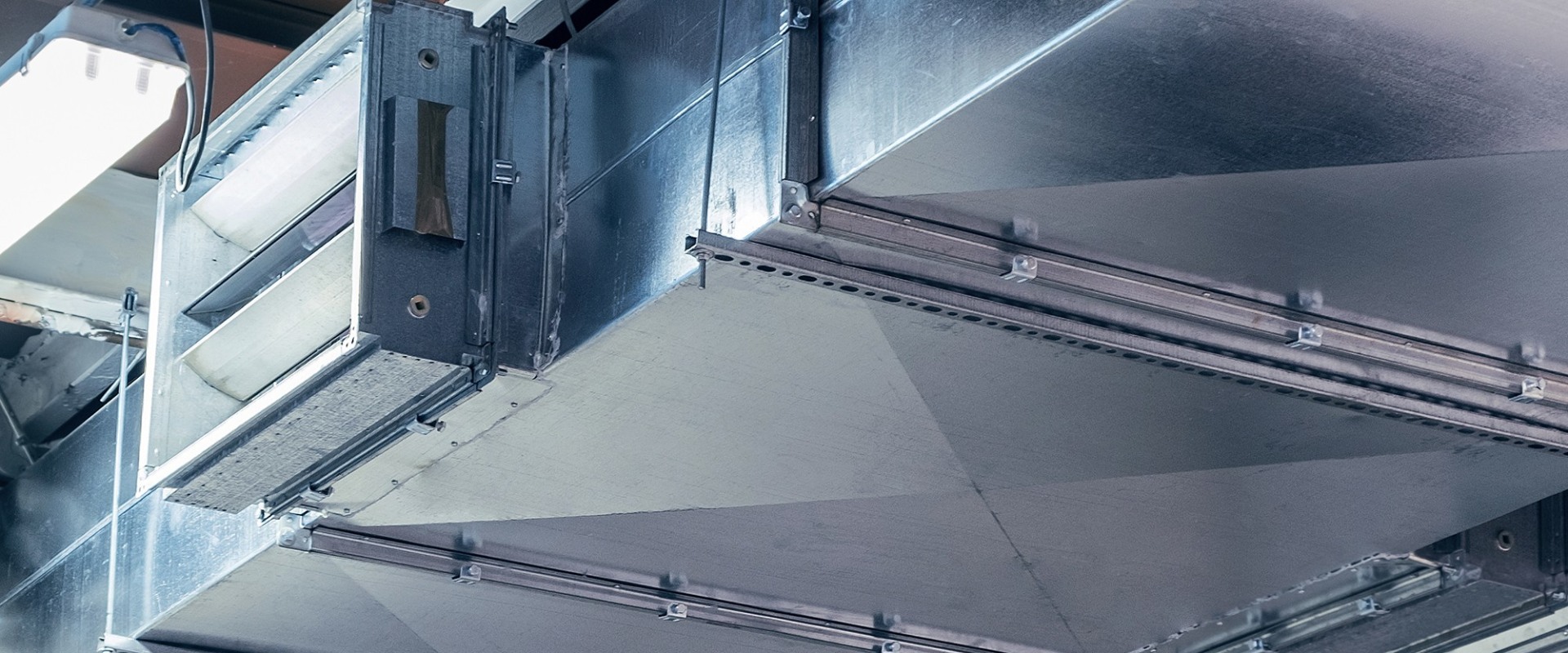
Ductwork is a fundamental component of any HVAC system , serving as the network through which heated or cooled air circulates throughout a home or building. This system is not merely a series of pipes; it is a carefully designed infrastructure that plays a crucial role in maintaining indoor air quality and comfort. Properly functioning ductwork ensures that air is distributed evenly, preventing hot or cold spots and allowing for efficient temperature control. When the ductwork is compromised, the entire HVAC system can suffer, leading to increased energy consumption and discomfort.Understanding the importance of ductwork goes beyond just recognizing its physical presence.
It involves acknowledging how it interacts with other components of the HVAC system, such as the furnace, air conditioner, and ventilation systems. Each element must work in harmony to achieve optimal performance. For instance, if there are leaks or blockages in the ducts, the HVAC system must work harder to maintain the desired temperature, which can lead to higher utility bills and premature wear on equipment.Moreover, ductwork also plays a significant role in filtering out pollutants and allergens from the air. Over time, dust, debris, and even mold can accumulate within the ducts, negatively impacting indoor air quality.
Regular maintenance and timely replacement of ductwork are essential not only for energy efficiency but also for ensuring a healthy living environment. Homeowners should be proactive in assessing their duct systems to prevent potential issues that could arise from neglect.In summary, understanding ductwork and its integral role in HVAC systems is vital for any homeowner. By prioritizing regular inspections and replacements when necessary, you can enhance your home's comfort, improve energy efficiency, and safeguard your family's health.
Signs Your Ductwork Needs Replacement
Recognizing the signs that your ductwork needs replacement is crucial for maintaining a healthy and efficient home environment. Ignoring these indicators can lead to more severe issues, including increased energy costs and compromised indoor air quality.Here are some key signs to watch for:
- Increased Energy Bills: If you notice a sudden spike in your energy bills without a corresponding increase in usage, it may be due to air leaks in your ductwork. Damaged ducts can cause your HVAC system to work harder, leading to higher energy consumption.
- Uneven Temperatures: Are certain rooms in your home significantly warmer or cooler than others? This inconsistency often indicates that your ductwork is not effectively distributing air. It could be a sign of blockages or leaks that require attention.
- Strange Noises: Unusual sounds such as rattling, whistling, or banging coming from your ducts can signal that they are damaged or improperly installed. These noises may indicate loose connections or debris obstructing airflow.
- Pest Infestations: If you find signs of pests like rodents or insects near your ducts, it’s a clear indication that there may be gaps or holes allowing them access.
This not only compromises the integrity of your ductwork but also poses health risks.
- Mold Growth: The presence of mold around your vents or within the ductwork itself is a serious concern. Mold thrives in damp environments, and if your ducts are leaking moisture, it can lead to significant health issues for you and your family.
- Dust Accumulation: If you frequently find dust settling on surfaces despite regular cleaning, it may be due to leaks in your ductwork. Damaged ducts can draw in dust and allergens from unconditioned spaces, circulating them throughout your home.
The Lifespan of Ductwork: How Long Should It Last?
Understanding the lifespan of ductwork is essential for homeowners who want to maintain an efficient and comfortable living environment.Generally, the longevity of duct systems can vary significantly based on the materials used, installation quality, and environmental factors. Here’s a closer look at the average lifespan of different duct materials and the elements that can influence their durability.
1.Common Duct Materials and Their Lifespans
- Sheet Metal Ducts: Typically made from galvanized steel or aluminum, these ducts are known for their durability. They can last anywhere from 15 to 25 years, depending on maintenance and environmental conditions.
- Fiberglass Ducts: These ducts are lightweight and offer good insulation properties. However, they generally have a shorter lifespan of about 10 to 15 years.
Over time, the fiberglass can degrade, leading to air quality issues.
- Flexible Ducts: Often made from plastic or rubberized material, flexible ducts are easier to install but tend to have a lifespan of only 10 to 15 years. They are more susceptible to damage from kinks or punctures.
- Concrete Ducts: Used in commercial settings, concrete ducts can last over 30 years if properly maintained. However, they are less common in residential applications.
2.Factors Influencing Duct Lifespan
The lifespan of your ductwork can be affected by several factors:
- Installation Quality: Poor installation can lead to issues such as air leaks and improper sealing, which can significantly shorten the lifespan of your ducts.
- Environmental Conditions: High humidity levels, extreme temperatures, and exposure to pests can all contribute to the deterioration of duct materials.
- Maintenance Practices: Regular inspections and cleaning can help extend the life of your ductwork. Neglecting maintenance can lead to blockages and damage that necessitate earlier replacement.
This proactive approach not only helps in identifying potential issues early but also ensures that your HVAC system operates efficiently throughout its lifespan.
The Consequences of Neglecting Duct Replacement
Neglecting the replacement of aging ductwork can lead to a myriad of problems that extend beyond mere discomfort in your home. Understanding these consequences is crucial for homeowners who wish to maintain a healthy and efficient living environment.1.Energy Inefficiency
One of the most significant impacts of old ductwork is energy inefficiency. As ducts age, they can develop cracks, holes, and other forms of damage that allow conditioned air to escape. This not only makes your HVAC system work harder to maintain the desired temperature but also leads to increased energy bills.
In fact, studies have shown that leaky ducts can reduce HVAC efficiency by as much as 20% or more.
2.Uneven Temperature Distribution
Old ductwork can cause uneven heating and cooling throughout your home. When air leaks occur, certain rooms may become too hot or too cold, leading to discomfort for you and your family. This inconsistency can also prompt you to adjust your thermostat more frequently, further driving up energy costs.
3.Increased Wear and Tear on HVAC Systems
When ductwork is compromised, your HVAC system must compensate for the loss of efficiency. This increased workload can lead to premature wear and tear on the system, resulting in costly repairs or even the need for a complete system replacement sooner than expected.
4.Health Risks
Aging ductwork can also pose health risks.
Dust, allergens, and even mold can accumulate in old ducts, which may then be circulated throughout your home when the HVAC system operates. This can exacerbate respiratory issues and allergies for occupants, particularly those with pre-existing conditions.
5.Pest Infestations
Another often-overlooked consequence of neglected ductwork is the potential for pest infestations. Cracks and gaps in ducts can serve as entry points for rodents and insects, which can not only damage the ductwork further but also introduce additional health hazards into your home.In summary, the consequences of neglecting duct replacement are far-reaching and can significantly impact both your comfort and health. Regular inspections and timely replacements are essential to ensure that your ductwork remains efficient and safe.
Benefits of Regular Duct Replacement
Regular duct replacement offers numerous benefits that extend beyond mere aesthetics.One of the most significant advantages is the improvement in indoor air quality. Over time, older duct systems can accumulate dust, allergens, and even mold, which can circulate throughout your home. By replacing outdated ducts, you can significantly reduce these contaminants, leading to a healthier living environment for you and your family.Another key benefit of new ductwork is enhanced energy efficiency. Aging ducts often develop leaks and cracks that allow conditioned air to escape, forcing your HVAC system to work harder to maintain the desired temperature.
This inefficiency not only increases your energy bills but also places unnecessary strain on your heating and cooling systems. By investing in new ductwork, you can ensure a tighter seal and improved airflow, which translates to lower energy costs.Moreover, updated duct systems are typically designed with modern materials that are more durable and resistant to wear and tear. This longevity means fewer repairs and replacements in the long run, saving you both time and money. Additionally, new ducts can be tailored to fit your home’s specific layout, optimizing airflow and enhancing overall comfort.Furthermore, replacing old ducts can lead to a more consistent temperature throughout your home.
Uneven heating or cooling is often a result of poor duct design or damage. With new ductwork, you can achieve better air distribution, eliminating those frustrating hot or cold spots.Lastly, consider the impact on home value. Prospective buyers are often attracted to homes with modern HVAC systems that include updated ductwork. By ensuring your ducts are in excellent condition, you not only improve your current living situation but also enhance the resale value of your property.In summary, the benefits of regular duct replacement are multifaceted.
From improved air quality and energy efficiency to enhanced comfort and increased home value, investing in new ductwork is a decision that pays off in both the short and long term.
Choosing the Right Materials for Ductwork Replacement
When it comes to ductwork replacement, selecting the right materials is crucial for ensuring efficiency, durability, and overall performance of your HVAC system. Various materials are available, each with its own set of advantages and disadvantages. Understanding these options can help homeowners make informed decisions that align with their specific needs and budget.Common Ductwork Materials
- Sheet Metal: Typically made from galvanized steel or aluminum, sheet metal ducts are known for their durability and longevity. They resist moisture and are less prone to mold growth compared to other materials.
However, they can be more expensive and may require professional installation due to their weight.
- Fiberglass Ducts: These ducts are constructed from fiberglass insulation wrapped in a thin layer of plastic. They are lightweight and provide excellent thermal insulation, which helps maintain temperature control. However, they can be susceptible to damage from pests and may not be as durable as metal options.
- Flexible Ducts: Made from a combination of plastic and metal wire, flexible ducts are easy to install in tight spaces. They are often used in retrofitting projects due to their adaptability.
However, they can be prone to kinks and tears, which may lead to air leaks if not installed properly.
- Plastic Ducts: PVC or other plastic materials are sometimes used for ductwork, particularly in specific applications like exhaust systems. They are lightweight and resistant to corrosion but may not provide the same level of insulation as other materials.
Factors to Consider
When choosing the best materials for your ductwork replacement, consider the following factors:- Durability: Look for materials that can withstand wear and tear over time. Metal ducts generally offer superior durability compared to flexible or fiberglass options.
- Insulation: Proper insulation is essential for maintaining energy efficiency. Materials with good insulating properties can help reduce energy costs by minimizing heat loss or gain.
- Installation Costs: While some materials may have a higher upfront cost, consider the long-term savings on energy bills and maintenance when making your choice.
- Air Quality: Ensure that the material you choose does not contribute to indoor air quality issues.
For instance, fiberglass ducts can harbor mold if not properly maintained.
Professional vs. DIY Duct Replacement: What You Need to Know
When it comes to duct replacement, homeowners often face a critical decision: should they tackle the job themselves or hire a professional? Each option has its own set of advantages and disadvantages, and understanding these can help you make an informed choice that best suits your needs.DIY Duct Replacement
- Cost Savings: One of the most appealing aspects of DIY duct replacement is the potential for significant cost savings. By eliminating labor costs, homeowners can save a considerable amount of money.
- Flexibility: DIY projects allow for greater flexibility in scheduling.
You can work at your own pace and choose times that are convenient for you.
- Learning Experience: For those who enjoy hands-on projects, replacing ductwork can be a valuable learning experience. It provides an opportunity to understand your home’s HVAC system better.
- Lack of Expertise: Without professional training, homeowners may overlook critical issues such as proper sealing and insulation, which can lead to air leaks and reduced efficiency.
- Time-Consuming: DIY projects can take longer than anticipated, especially if unexpected complications arise. This can lead to prolonged discomfort in your home.
- Safety Risks: Working with ductwork often involves navigating tight spaces and handling tools that may pose safety risks without proper knowledge and precautions.
Professional Duct Services
- Expertise and Experience: Hiring a professional ensures that the job is done correctly the first time. HVAC experts have the training and experience to identify potential problems that a homeowner might miss.
- Quality Assurance: Professionals typically offer warranties on their work, providing peace of mind that any issues will be addressed without additional costs.
- Efficiency: Professionals can complete the job more quickly due to their experience and access to specialized tools, minimizing disruption to your home.
- Higher Costs: The most significant drawback is the cost.
Professional services can be expensive, which may not fit every homeowner's budget.
- Scheduling Conflicts: You may need to work around the contractor's schedule, which could delay the project if they are busy with other jobs.
When to Hire an HVAC Expert
If you notice signs of significant wear or damage in your ductwork—such as persistent air leaks, unusual noises, or inconsistent temperatures throughout your home—it’s wise to consult an HVAC expert. Additionally, if you feel uncertain about your ability to complete the project safely and effectively, hiring a professional is often the best course of action. Ultimately, whether you choose to go the DIY route or hire a professional should depend on your comfort level with home improvement tasks, your budget, and the specific condition of your ductwork.
Cost Considerations for Duct Replacement and Repair
When considering the cost of duct replacement and repair, homeowners must take into account several factors that can influence the overall expense. Understanding these costs is essential for effective budgeting and ensuring that your HVAC system operates efficiently.On average, the cost of duct replacement can range from $1,500 to $5,000, depending on various elements such as:- Size of the home: Larger homes typically require more extensive ductwork, which can increase material and labor costs.
- Type of materials used: Ducts can be made from different materials, including fiberglass, sheet metal, and flexible plastic.
Each material has its own cost implications, with sheet metal generally being more expensive but also more durable.
- Accessibility: If the ducts are located in hard-to-reach areas, such as crawl spaces or attics, labor costs may rise due to the additional time and effort required for installation.
- Local labor rates: The cost of labor can vary significantly based on geographic location. Urban areas may have higher rates compared to rural regions.
- Patching leaks: Sealing small leaks or holes in existing ducts can be a cost-effective solution that typically ranges from $200 to $500.
- Replacing sections: If a specific section of ductwork is damaged beyond repair, replacing that section may cost between $300 and $1,000.
- Insulation replacement: If insulation around ducts is compromised, replacing it can add an additional $100 to $300 to your repair bill.
A good rule of thumb is to allocate 5-10% of your total HVAC system cost each year for maintenance and repairs. This proactive approach not only helps in managing unexpected expenses but also ensures that your system remains efficient and effective over time.In conclusion, understanding the cost considerations associated with duct replacement and repair is crucial for homeowners. By being informed about potential expenses and planning accordingly, you can maintain a comfortable living environment while avoiding costly surprises down the line.
FAQs About Duct Repair and Replacement
When it comes to duct repair and replacement, homeowners often have numerous questions. Understanding the intricacies of ductwork can help you make informed decisions about maintenance and repairs.Here are some frequently asked questions that can clarify common concerns and misconceptions.
What are the signs that my ducts need repair?
Several indicators suggest that your ductwork may require attention:- Increased energy bills: If you notice a sudden spike in your energy costs, it could be due to air leaks in your ducts, forcing your HVAC system to work harder.
- Uneven temperatures: Hot or cold spots in different areas of your home may indicate that your ducts are not distributing air evenly.
- Strange noises: Unusual sounds such as rattling or whistling can signal loose or damaged duct sections.
- Mold or dust accumulation: Excessive dust around vents or visible mold growth can suggest that your ducts are not functioning properly.
How often should I have my ducts inspected?
It is advisable to have your ductwork inspected at least once every three to five years. Regular inspections can help identify potential issues before they escalate into costly repairs. If you have pets, allergies, or live in a dusty environment, more frequent inspections may be necessary.Can I repair my ducts myself?
While minor repairs, such as sealing small leaks with duct tape, can be done by homeowners, it is generally recommended to hire a professional for significant repairs. Professionals have the expertise and tools needed to ensure that repairs are done correctly and safely.What is the average cost of duct repair?
The cost of duct repair varies widely based on the extent of the damage and local labor rates.On average, homeowners can expect to pay between $300 and $1,500 for repairs. It’s wise to obtain multiple quotes from licensed HVAC contractors to ensure you receive a fair price.
How can I maintain my ductwork?
To prolong the life of your duct system and maintain efficiency, consider these maintenance tips:- Regular cleaning: Schedule professional duct cleaning every three to five years to remove dust and debris.
- Seal leaks: Inspect for and seal any visible leaks with appropriate materials.
- Change filters: Replace HVAC filters regularly to prevent dust buildup in your ducts.
- Avoid clutter: Keep areas around vents clear of furniture and obstructions to ensure proper airflow.
Conclusion: Ensuring Your Home's Comfort Through Regular Duct Maintenance
In conclusion, the significance of regular duct maintenance cannot be overstated when it comes to ensuring your home remains comfortable and energy-efficient. Throughout this guide, we have explored the various aspects of ductwork replacement and the critical role it plays in maintaining optimal indoor air quality and system performance.As highlighted, duct repair is not merely a reactive measure; it is a proactive approach that can save homeowners from costly repairs and discomfort in the long run. By adhering to a recommended replacement schedule of every 10 years, you can mitigate the risks associated with aging duct systems, such as air leaks, pest infestations, and inefficient heating and cooling.Moreover, understanding the materials used in your ductwork is essential.While some materials may boast longer lifespans, all ducts will eventually succumb to wear and tear. Regular inspections can help identify potential issues before they escalate into significant problems, allowing for timely duct repair or replacement.Additionally, consider the impact of your duct system on your overall energy consumption. Inefficient ducts can lead to increased energy bills as your HVAC system struggles to maintain desired temperatures. By investing in regular maintenance and timely replacements, you not only enhance your home’s comfort but also contribute to energy conservation efforts.Ultimately, prioritizing ductwork maintenance is an investment in your home’s future.
It ensures that your living environment remains healthy, comfortable, and efficient. Don’t wait for problems to arise; take action today by scheduling a professional inspection of your duct system. Your home—and your wallet—will thank you.