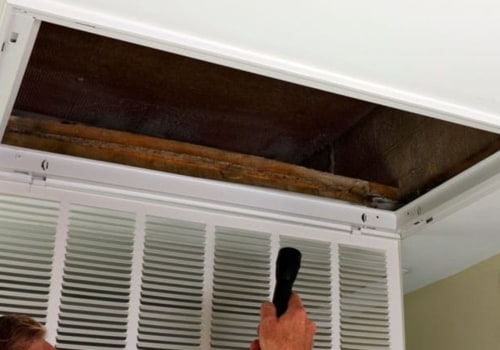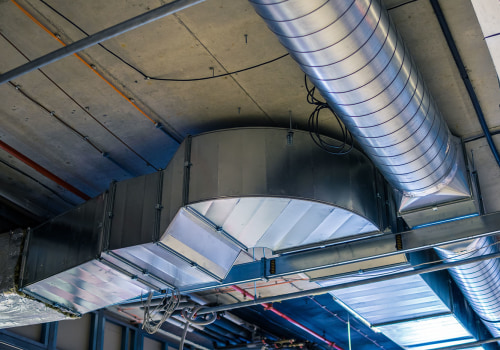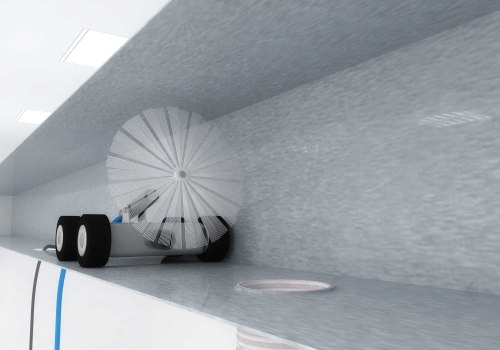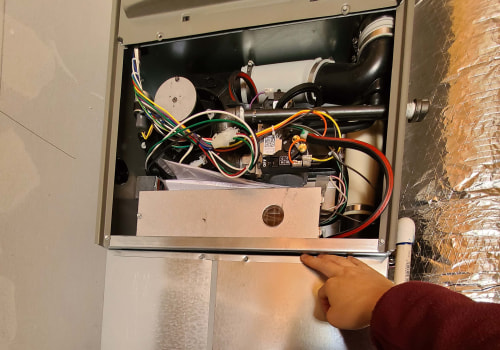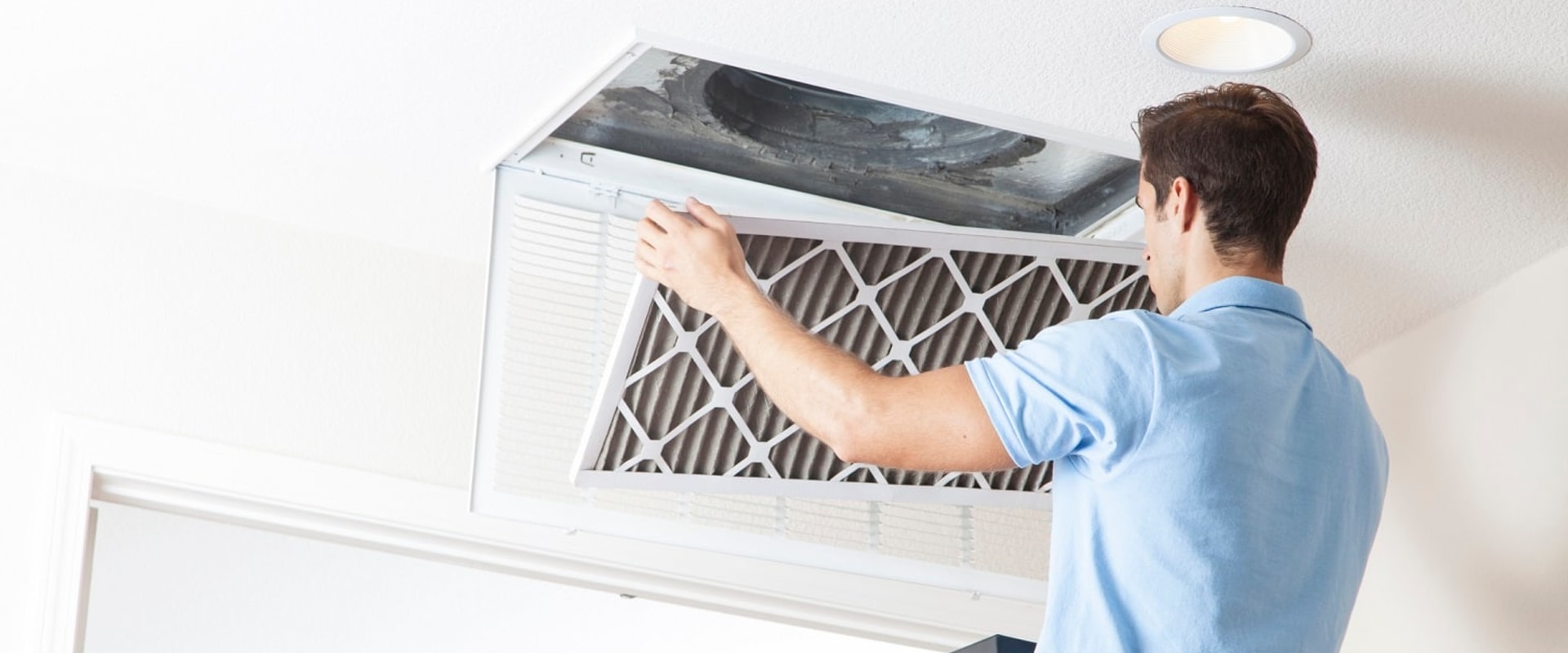
Air ducts are a critical component of any home’s heating, ventilation, and air conditioning (HVAC) system. They serve as the pathways through which conditioned air travels, ensuring that every room in your home receives the appropriate temperature and airflow. Understanding what air ducts are and how they function is essential for homeowners who want to maintain a comfortable living environment while optimizing energy efficiency. Essentially, air ducts are hollow tubes made from various materials, including metal, fiberglass, or flexible plastic. These ducts are strategically installed throughout your home to distribute heated or cooled air from your HVAC system.
The effectiveness of your HVAC system largely depends on the integrity and design of these ducts. If they are damaged or poorly designed, it can lead to significant energy loss and uneven temperature distribution, resulting in discomfort and higher utility bills. The importance of air ducts cannot be overstated. They not only facilitate the circulation of air but also play a vital role in maintaining indoor air quality. Properly functioning air ducts help filter out dust, allergens, and other pollutants, contributing to a healthier living environment.
When air ducts become clogged or damaged, they can harbor mold and bacteria, which can pose serious health risks to you and your family. Therefore, regular maintenance and timely duct repair or replacement are crucial for ensuring that your home remains a safe and comfortable space.
Signs That Your Air Ducts Need Replacement
Recognizing the signs that your air ducts need replacement is crucial for maintaining a healthy and efficient home environment. Ignoring these indicators can lead to more significant issues, including increased energy costs and compromised indoor air quality. Here are some key signs to watch for:- Inconsistent Temperatures: If you notice that certain rooms in your home are significantly warmer or cooler than others, this could indicate a problem with your air ducts.
Uneven heating or cooling often points to leaks or blockages within the ductwork.
- Increased Energy Bills: A sudden spike in your energy bills can be a red flag. If your HVAC system is working harder than usual to maintain the desired temperature, it may be due to inefficient ductwork. Leaks or damage can force your system to consume more energy, leading to higher costs.
- Unusual Noises: Pay attention to any strange sounds coming from your HVAC system. Banging, rattling, or whistling noises can indicate loose or damaged ducts.
These sounds often suggest that air is escaping from the ductwork, which can reduce efficiency and comfort.
- Mold Growth: The presence of mold around your vents or in the ductwork itself is a serious concern. Mold thrives in damp environments, and if your ducts are harboring moisture, it may be time for a replacement. Mold not only affects air quality but can also pose health risks to you and your family.
- Pest Infestations: If you find signs of pests such as rodents or insects near your vents or within the ductwork, it’s essential to address this issue immediately. Pests can cause significant damage to ducts and may lead to contamination of the air circulating in your home.
- Dust Accumulation: Excessive dust buildup on furniture and surfaces can indicate that your air ducts are dirty or damaged.
If you find yourself cleaning more frequently than usual, it might be time to inspect your ductwork for blockages or leaks.
The Impact of Aging Air Ducts on Home Efficiency
Aging air ducts can significantly impact both the energy efficiency of your home and the overall comfort of its occupants. As air ducts age, they may develop leaks, become clogged with dust and debris, or even suffer from structural damage. These issues can lead to a variety of problems that not only affect your HVAC system's performance but also your monthly energy bills.One of the most immediate effects of old air ducts is the reduction in energy efficiency.When ducts develop leaks, conditioned air escapes into unoccupied spaces, such as attics or walls, rather than being delivered to the intended rooms. This inefficiency forces your heating and cooling systems to work harder to maintain the desired temperature, resulting in higher energy consumption and increased utility costs.Moreover, the presence of dust and debris in aging ducts can lead to poor indoor air quality. As air flows through these contaminated ducts, it carries allergens and pollutants into your living spaces, which can exacerbate respiratory issues and allergies among household members. This not only affects health but also diminishes overall comfort within the home.Another critical aspect to consider is the temperature inconsistency that often arises from aging ductwork.
Homeowners may notice that certain rooms are significantly warmer or cooler than others. This uneven distribution of air can create discomfort and frustration, leading to a reliance on space heaters or additional cooling units that further inflate energy costs.In addition to these factors, old air ducts can also harbor pests such as rodents or insects. These unwanted guests can cause further damage to the ductwork and introduce additional health risks through contamination. Regular inspections and timely replacements are essential to mitigate these risks.In conclusion, the impact of aging air ducts on home efficiency is profound.
From increased energy costs to decreased comfort levels, neglecting duct maintenance can lead to a cascade of issues that affect both your wallet and well-being. To ensure a comfortable living environment and optimal energy efficiency, it is crucial to prioritize the timely replacement of aging air ducts.
Health Risks Associated with Old Air Ducts
Old air ducts can pose significant health risks to the occupants of a home, primarily due to the accumulation of contaminants and the potential for mold growth. As air circulates through these ducts, it can carry with it a variety of harmful particles, including dust, allergens, and even pathogens. Understanding these risks is crucial for maintaining a healthy indoor environment.Mold Growth in Air Ducts
One of the most concerning issues associated with aging air ducts is the potential for mold growth.
Mold thrives in damp and dark environments, making air ducts an ideal breeding ground if they are not properly maintained. When moisture accumulates within the ductwork—whether from leaks, high humidity levels, or condensation—it creates a perfect environment for mold spores to flourish.Once mold establishes itself in the ducts, it can easily spread throughout the home as air circulates. This can lead to a range of health problems, particularly for individuals with respiratory conditions such as asthma or allergies. Symptoms may include:
- Coughing and sneezing
- Wheezing or difficulty breathing
- Skin irritation or rashes
- Headaches and fatigue
Poor Indoor Air Quality
In addition to mold, old air ducts can significantly degrade indoor air quality.
Over time, dust, pet dander, pollen, and other pollutants can accumulate within the ductwork. When the HVAC system operates, these contaminants are released into the living space, leading to poor air quality that can affect everyone in the household.Individuals with compromised immune systems or pre-existing health conditions are particularly vulnerable to the effects of poor indoor air quality. Long-term exposure to contaminated air can exacerbate existing health issues and even lead to new respiratory problems.
Preventive Measures
To mitigate these health risks, it is essential to regularly inspect and maintain your air ducts. Here are some preventive measures you can take:
- Schedule routine inspections by a qualified HVAC professional.
- Consider duct cleaning services if you notice excessive dust or mold.
- Ensure proper insulation and sealing of ductwork to prevent moisture accumulation.
- Replace old or damaged ducts as needed to maintain optimal airflow and hygiene.
Choosing the Right Time for Air Duct Replacement
Determining the right time to replace your home’s air ducts is crucial for maintaining optimal indoor air quality and energy efficiency.While many homeowners may not think about their ductwork until problems arise, being proactive can save you from costly repairs and health issues down the line.
Seasonal Considerations
- Spring: As the weather begins to warm up, it’s an excellent time to assess your air ducts. After a long winter, dust and debris can accumulate, potentially leading to blockages. If you notice uneven heating or cooling in your home, it may be time to consider a replacement.
- Summer: During peak cooling months, your HVAC system works overtime. If you experience higher energy bills or inconsistent temperatures, this could indicate that your ducts are not functioning efficiently.
Replacing them before the hottest months can ensure your system runs smoothly.
- Fall: This season is ideal for inspections and replacements as temperatures drop. If you’ve noticed any signs of wear or damage over the summer, addressing these issues before winter can prevent further complications.
- Winter: While it’s not the most convenient time for duct replacement due to cold temperatures, if you experience significant airflow issues or notice strange noises from your HVAC system, immediate action is necessary. Delaying repairs can lead to more severe problems.
Signs Indicating Immediate Action
- Increased Energy Bills: A sudden spike in your utility bills can indicate that your air ducts are leaking or blocked, causing your HVAC system to work harder than necessary.
- Poor Air Quality: If you notice an increase in dust accumulation or musty odors in your home, it may be a sign that your ducts are contaminated and need replacement.
- Temperature Fluctuations: Inconsistent temperatures throughout your home can signal that your ductwork is not distributing air effectively. This issue should be addressed promptly to maintain comfort.
- Mold Growth: The presence of mold in or around your ducts is a serious health hazard.
If you suspect mold contamination, replacing the ducts is essential for ensuring a safe living environment.
The Duct Replacement Process: What to Expect
Replacing air ducts is a significant undertaking that can greatly enhance your home's air quality and energy efficiency. Understanding the duct replacement process can help homeowners prepare for what to expect and ensure a smooth transition. Here’s a detailed overview of the steps involved in replacing air ducts.1.Initial Inspection
- The process begins with a thorough inspection of your existing ductwork.
A professional technician will assess the condition of your ducts, looking for signs of damage, leaks, or contamination.
- They may use specialized tools to measure airflow and identify any inefficiencies in your current system.
2.Assessment of Needs
- After the inspection, the technician will discuss their findings with you and recommend whether a full replacement is necessary or if duct repair could suffice.
- If replacement is needed, they will evaluate your home’s layout and heating/cooling requirements to determine the best duct design.
3.Planning and Preparation
- The next step involves planning the installation. This includes selecting appropriate materials, such as insulated flexible ducts or rigid metal ducts, based on your home’s needs.
- The technician will also prepare your home by covering floors and furniture to protect them from dust and debris during the installation process.
4.Removal of Old Ducts
- The installation team will carefully remove the old ductwork, ensuring that any debris is cleaned up as they go.
- This step may involve cutting into walls or ceilings, so it’s essential to have professionals handle this to avoid damaging your home.
5.Installation of New Ducts
- Once the old ducts are removed, the new ductwork will be installed according to the planned layout. Professionals will ensure that all connections are secure and properly sealed to prevent leaks.
- They will also insulate the ducts where necessary to improve energy efficiency.
6.Testing and Final Adjustments
- After installation, the system will be tested to ensure optimal airflow and performance. Technicians will make any necessary adjustments to balance the system effectively.
- This step is crucial for ensuring that every room in your home receives adequate heating and cooling.
7.Clean-Up and Follow-Up
- The final step involves cleaning up the work area and removing any debris from the installation process.
- A professional service will often schedule a follow-up visit to ensure everything is functioning correctly after a few weeks of use.
By understanding these steps, homeowners can feel more confident in navigating the duct replacement process.
Cost Considerations for Air Duct Replacement
When it comes to air duct replacement, understanding the associated costs is essential for homeowners looking to maintain a comfortable and energy-efficient living environment. The price of replacing air ducts can vary significantly based on several factors, making it crucial to budget effectively.On average, homeowners can expect to pay between $1,500 and $5,000 for complete duct replacement. However, this range can fluctuate based on the following considerations:- Size of the Home: Larger homes typically require more extensive ductwork, which can increase labor and material costs. The square footage of your home will directly impact the total cost of replacement.
- Type of Duct Material: The choice of material plays a significant role in pricing.
Options include fiberglass, sheet metal, and flexible ducts. While flexible ducts may be less expensive initially, they may not offer the same durability as metal options.
- Accessibility: If your ductwork is located in hard-to-reach areas such as attics or crawl spaces, labor costs may increase due to the additional time and effort required for installation.
- Existing Duct Condition: If your current ducts are heavily damaged or contaminated with mold, additional remediation work may be necessary before replacement can occur, adding to the overall cost.
- Local Labor Rates: Labor costs can vary by region. Urban areas with a higher cost of living may see increased rates for HVAC professionals compared to rural locations.
Additionally, inquire about any warranties or maintenance plans that may be included in the service package.In conclusion, while the initial investment in replacing air ducts may seem daunting, it is essential for ensuring long-term comfort and efficiency in your home. By understanding the factors that influence costs and planning accordingly, homeowners can make informed decisions that align with their budgets and needs.
Preventive Maintenance for Air Ducts
Maintaining your air ducts is essential for ensuring the longevity and efficiency of your HVAC system. Regular preventive maintenance can help you avoid costly repairs and replacements down the line. Here are some effective air duct maintenance tips to keep your system running smoothly:- Regular Inspections: Schedule professional inspections at least once a year.
An HVAC technician can identify potential issues such as leaks, blockages, or signs of wear and tear that may not be visible to the untrained eye.
- Clean Air Ducts: Dust, dirt, and allergens can accumulate in your ducts over time. Consider having them professionally cleaned every 3 to 5 years, especially if you have pets or live in a dusty area.
- Change Filters Regularly: Replace your HVAC system’s air filters every 1 to 3 months. Clogged filters can restrict airflow, forcing your system to work harder and potentially leading to duct damage.
- Seal Ducts Properly: Ensure that all joints and seams in your ductwork are sealed with appropriate materials. This prevents air leaks that can reduce efficiency and increase energy costs.
- Monitor Humidity Levels: High humidity can lead to mold growth within ducts.
Use dehumidifiers in areas prone to moisture, such as basements, to maintain optimal humidity levels.
- Avoid Obstructions: Keep furniture, curtains, and other items away from vents and registers. This ensures proper airflow and reduces strain on your HVAC system.
Frequently Asked Questions About Air Duct Replacement
Homeowners often have numerous questions regarding air duct replacement and maintenance.Understanding these aspects can significantly enhance the efficiency of your HVAC system and improve indoor air quality. Below are some frequently asked questions that can help clarify common concerns.
What are the signs that my air ducts need to be replaced?
Several indicators suggest that it may be time to replace your air ducts:- Age: If your ducts are over 15 years old, they may be nearing the end of their lifespan.
- Visible Damage: Look for signs of wear, such as cracks, holes, or disconnected sections.
- Mold Growth: If you notice mold inside or around your ducts, it’s crucial to replace them to ensure a healthy environment.
- Inconsistent Temperatures: Significant temperature variations between rooms can indicate duct issues.
- Increased Energy Bills: A sudden spike in your energy costs may suggest that your ducts are not functioning efficiently.
How often should I have my air ducts inspected?
It is advisable to have your air ducts inspected at least every three to five years. Regular inspections can help identify potential issues before they escalate into costly repairs or replacements.Can I clean my air ducts myself?
While some homeowners attempt DIY cleaning, it is generally recommended to hire a professional. Professionals have specialized equipment and expertise to thoroughly clean and inspect your ductwork without causing damage.What is the average cost of air duct replacement?
The cost of replacing air ducts can vary widely based on factors such as the size of your home, the type of ductwork used, and labor costs in your area.On average, homeowners can expect to pay between $1,500 and $5,000 for complete duct replacement.
How can I maintain my air ducts?
To prolong the life of your air ducts and maintain efficiency, consider the following maintenance tips:- Regular Inspections: Schedule professional inspections every few years.
- Change Filters: Replace HVAC filters regularly to prevent dust buildup.
- Avoid Overloading: Ensure that furniture and other items do not obstruct airflow from vents.
- Seal Leaks: Check for and seal any leaks in the ductwork to improve efficiency.
Conclusion: The Importance of Regularly Replacing Home Air Ducts
In summary, the significance of regularly replacing home air ducts cannot be overstated. As we have explored throughout this article, aging air ducts can lead to a myriad of issues that not only compromise the comfort of your living space but also impact your energy efficiency and overall health.One of the primary reasons for replacing air ducts is to prevent the accumulation of contaminants such as dust, mold, and allergens. Over time, these pollutants can build up within the ductwork, leading to poor indoor air quality. This is particularly concerning for households with individuals who suffer from respiratory issues or allergies.By ensuring that your air ducts are replaced every 10 to 15 years, you can significantly reduce the risk of these health hazards.Moreover, outdated or damaged ducts can result in uneven heating and cooling throughout your home. This not only creates discomfort but also forces your HVAC system to work harder, leading to increased energy bills. By investing in new ductwork, you can enhance the efficiency of your heating and cooling systems, ultimately saving money in the long run.Additionally, regular inspections and timely replacements can help identify potential issues before they escalate into costly repairs. For instance, if you notice unusual noises or fluctuating temperatures in different rooms, these could be early signs of duct damage that require immediate attention.
Addressing these problems promptly can prevent more extensive damage and ensure that your HVAC system operates smoothly.In conclusion, prioritizing the replacement of your home’s air ducts is a proactive measure that pays dividends in comfort, efficiency, and health. If you suspect that your ducts may be due for an upgrade or if you are experiencing any symptoms of duct-related issues, it is advisable to consult with a professional HVAC technician. They can provide a thorough inspection and recommend the best course of action to keep your home safe and comfortable.