Ductwork is often an overlooked component of home infrastructure, yet it plays a pivotal role in ensuring that the air we breathe indoors is clean and comfortable. In older homes, the duct system can become a breeding ground for dust, allergens, and even pests, which can severely compromise indoor air quality. Understanding the importance of duct repair and maintenance is essential for homeowners who wish to create a healthy living environment. Properly functioning ductwork not only enhances air quality but also significantly impacts energy efficiency. When ducts are damaged or poorly maintained, they can lead to substantial energy loss, forcing your HVAC system to work harder to maintain desired temperatures.
This inefficiency not only raises energy bills but also contributes to unnecessary wear and tear on your heating and cooling systems. Homeowners may not realize that investing in duct repair can lead to long-term savings by improving system performance and reducing energy consumption. Moreover, the age of your home can be a critical factor in determining the condition of your ductwork. Many homes built several decades ago may still have original ducts that are no longer effective or safe. As materials degrade over time, they can develop cracks, leaks, or even collapse entirely.
These issues not only hinder airflow but also allow contaminants to enter the living space, posing health risks to occupants. Therefore, recognizing the signs of duct deterioration and understanding the necessity of regular inspections and repairs is vital for maintaining both air quality and energy efficiency.
Understanding Ductwork: What Homeowners Need to Know
Understanding the intricacies of ductwork is essential for homeowners, especially those residing in older homes. The materials used in duct systems, their expected lifespan, and the various types of duct systems can significantly influence both air quality and energy efficiency.Common Ductwork Materials
Ducts are typically constructed from a variety of materials, each with its own advantages and disadvantages:- Sheet Metal: Often made from galvanized steel or aluminum, sheet metal ducts are durable and resistant to damage. They provide excellent airflow but can be prone to leaks if not properly sealed.
- Fiberglass: This type of ductwork is lightweight and offers good insulation properties.
However, over time, the fiberglass can deteriorate, leading to potential health risks as particles may enter the air supply.
- Flexible Ducts: Made from a thin layer of plastic and surrounded by a wire coil, flexible ducts are easy to install in tight spaces. However, they can be more susceptible to kinks and damage, which can restrict airflow.
- Fabric Ducts: Increasingly popular in commercial settings, fabric ducts are made from permeable materials that allow for even air distribution. They are less common in residential applications but can be an option for unique designs.
Lifespan of Ducts
The lifespan of ductwork varies based on the material used and the conditions in which they operate. Generally:- Sheet Metal Ducts: Can last 15-25 years with proper maintenance.
- Fiberglass Ducts: Typically have a lifespan of 10-15 years before they may need replacement.
- Flexible Ducts: Usually last around 10 years but can fail sooner if not properly maintained.
Types of Duct Systems
Duct systems can be categorized into two main types:- Supply Ducts: These ducts deliver conditioned air from the HVAC system into various rooms throughout the home.
- Return Ducts: These ducts pull air back into the HVAC system for reconditioning.
Properly functioning return ducts are essential for maintaining balanced airflow and energy efficiency.
The Consequences of Neglected Ductwork
Neglecting ductwork in older homes can lead to a myriad of serious consequences that affect both the health of the occupants and the efficiency of the HVAC system. Understanding these consequences is crucial for homeowners who wish to maintain a safe and comfortable living environment.Health Risks Associated with Poor Air Quality
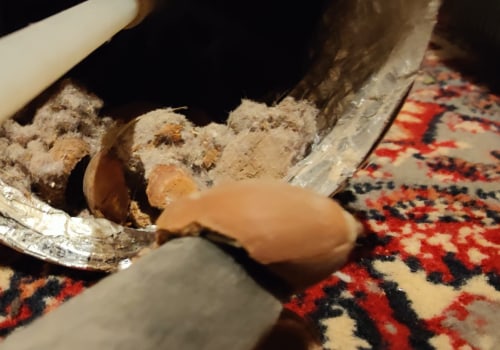
One of the most alarming consequences of neglected ductwork is the deterioration of indoor air quality. Over time, dust, mold, allergens, and other pollutants can accumulate within the ducts.
When the HVAC system operates, these contaminants are circulated throughout the home, posing significant health risks. Individuals with respiratory issues, allergies, or weakened immune systems are particularly vulnerable. Common health problems linked to poor air quality include:
- Allergic Reactions: Dust mites, pet dander, and mold spores can trigger allergic responses, leading to symptoms such as sneezing, itching, and congestion.
- Respiratory Issues: Prolonged exposure to airborne pollutants can exacerbate conditions like asthma and bronchitis.
- Infections: Bacteria and viruses can thrive in dirty ducts, increasing the risk of respiratory infections.
Energy Inefficiency and Increased Costs
Another significant consequence of neglected ductwork is energy inefficiency. When ducts are dirty or damaged, they can impede airflow, forcing your HVAC system to work harder to maintain desired temperatures.
This not only leads to increased wear and tear on the system but also results in higher energy bills. Homeowners may notice:
- Higher Utility Bills: A struggling HVAC system consumes more energy, leading to skyrocketing monthly costs.
- Inconsistent Temperatures: Poor airflow can cause certain areas of the home to be too hot or too cold, making it difficult to maintain a comfortable environment.
- Frequent Repairs: An overworked system is more prone to breakdowns, resulting in costly repairs and potential premature replacement.
Signs Your Ducts Need Repair or Replacement
Identifying the signs that your ductwork requires repair or replacement is crucial for maintaining a healthy and efficient home environment.Here are some key indicators to watch for:
- Unusual Noises: If you hear rattling, whistling, or banging sounds coming from your ducts, it may indicate loose connections or debris obstructing airflow. These noises can signal that your ductwork is in need of immediate attention.
- Inconsistent Temperatures: Are certain rooms in your home significantly warmer or cooler than others? This inconsistency can be a sign of leaks or blockages in your duct system, which can lead to inefficient heating and cooling.
- Increased Energy Bills: A sudden spike in your energy bills without a corresponding increase in usage may suggest that your HVAC system is working harder due to compromised ductwork. Leaks and damage can force your system to expend more energy to maintain desired temperatures.
- Pest Infestations: If you notice signs of pests, such as droppings or nests near your ducts, it’s a clear indication that your ductwork may have openings that allow these unwanted guests to enter. This not only affects air quality but can also lead to further damage.
- Mold Growth: The presence of mold around vents or within the ducts themselves is a serious concern.
Mold thrives in damp environments, and if your ducts are harboring moisture, it could lead to health issues for you and your family.
- Dust Accumulation: If you find excessive dust settling on furniture shortly after cleaning, it may be a sign that your ducts are dirty or leaking. Poor air filtration can circulate dust and allergens throughout your home.
- Visual Inspection: Start by checking accessible areas of your ductwork for visible signs of damage, such as holes, cracks, or rust. Pay attention to joints and seams where leaks are most likely to occur.
- Check for Airflow: Use a piece of tissue or a smoke pencil near vents to see if air is flowing properly. If the tissue doesn’t move or the smoke doesn’t disperse, there may be an obstruction.
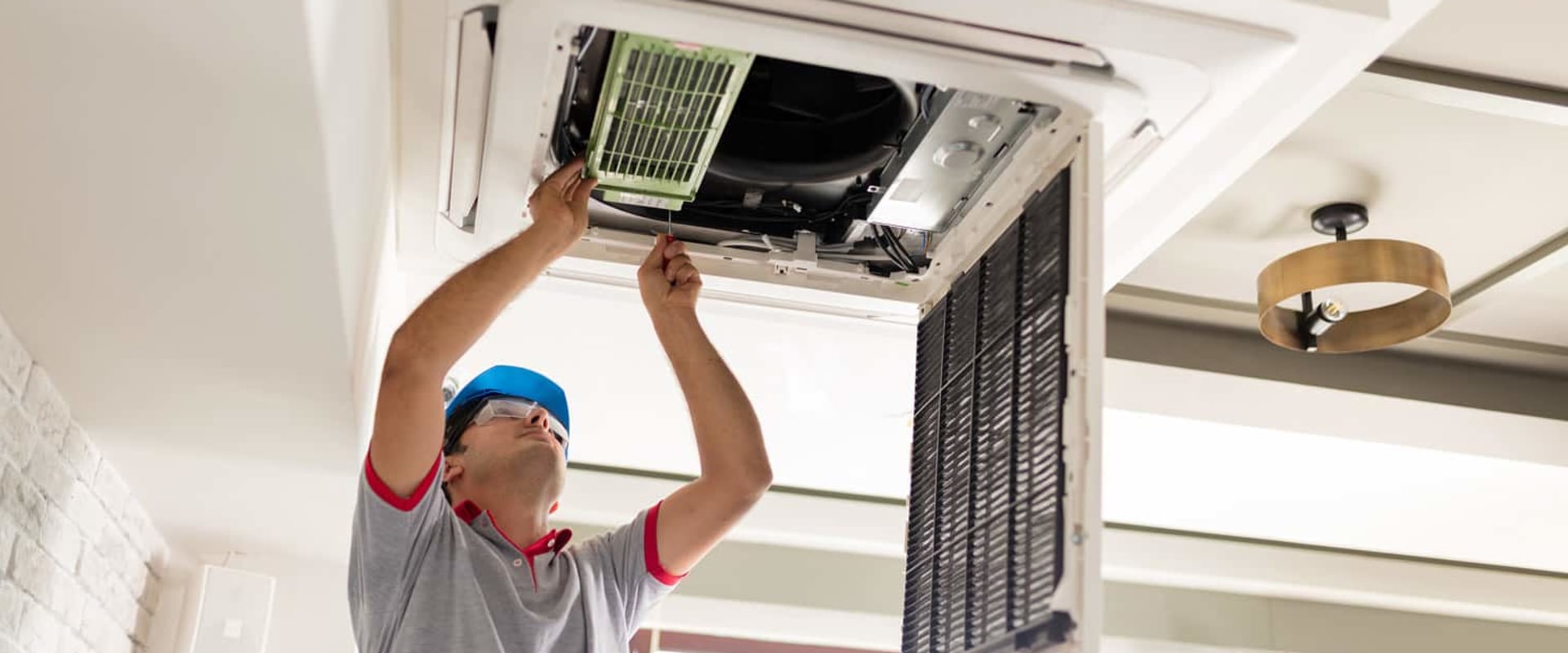
- Schedule Professional Inspections: For a thorough assessment, consider hiring an HVAC professional who can use specialized tools to detect leaks and measure airflow efficiency.
If you notice any of these signs, don’t hesitate to reach out for professional help.
The Role of Regular Maintenance in Duct Health
Maintaining the health of your ductwork is crucial for ensuring a comfortable and energy-efficient home. Regular maintenance not only prolongs the lifespan of your ducts but also enhances the overall air quality within your living space. By investing in routine inspections and cleaning, homeowners can prevent minor issues from escalating into major problems that require costly duct repair.Benefits of Regular Inspections
- Early Detection of Issues: Regular inspections allow HVAC professionals to identify potential problems before they become severe. This proactive approach can save homeowners significant amounts of money in repairs and energy costs.
- Improved Air Quality: Dust, allergens, and other contaminants can accumulate in ductwork over time.
Routine cleaning helps to remove these pollutants, leading to healthier indoor air quality, which is especially important for individuals with allergies or respiratory conditions.
- Enhanced Energy Efficiency: Clean and well-maintained ducts facilitate better airflow, allowing your HVAC system to operate more efficiently. This can lead to lower energy bills and a reduced carbon footprint.
The Importance of Duct Cleaning
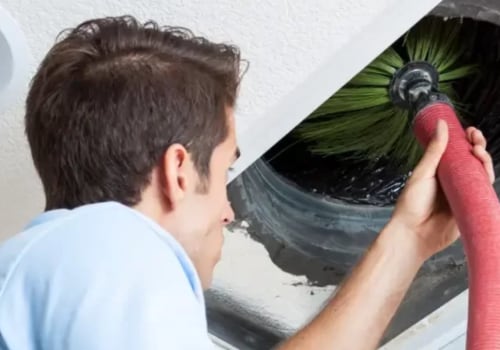
Cleaning your ducts is an essential part of maintenance that should not be overlooked. Over time, debris such as dust, pet dander, and mold can build up inside the ductwork. This accumulation not only affects air quality but can also hinder the performance of your heating and cooling systems.During a professional duct cleaning service, technicians use specialized equipment to thoroughly clean the interior surfaces of the ducts.
This process typically includes:
- Inspection: A thorough examination of the ductwork to identify areas that require attention.
- Vacuuming: High-powered vacuums are used to remove dust and debris from the ducts.
- Sanitization: Applying antimicrobial agents to eliminate mold spores and bacteria that may be present.
DIY vs. Professional Duct Repair: What You Should Know
When it comes to duct repair, homeowners often face a critical decision: should they tackle the repairs themselves or hire a professional? Each approach has its own set of advantages and disadvantages that can significantly impact the outcome of the repair process.DIY Duct Repair
Many homeowners consider DIY duct repair as a cost-effective solution. With the right tools and materials, it is possible to address minor issues such as small leaks or insulation problems.Here are some pros and cons of going the DIY route:
- Pros:
- Cost Savings: By doing the work yourself, you can save on labor costs associated with hiring professionals.
- Flexibility: You can schedule repairs at your convenience without waiting for a technician's availability.
- Learning Experience: DIY repairs can provide valuable knowledge about your home's HVAC system.
- Cons:
- Lack of Expertise: Without professional training, you may overlook critical issues that require specialized knowledge.
- Time-Consuming: DIY repairs can take longer than expected, especially if you encounter unforeseen complications.
- Potential for Mistakes: Improper repairs can lead to further damage, resulting in higher costs down the line.
Professional Duct Services
On the other hand, hiring a professional for duct repair offers several benefits that can outweigh the costs. Here’s what to consider:- Pros:
- Expertise and Experience: Professionals have the training and experience to identify and fix issues effectively.
- Comprehensive Solutions: They can provide a thorough inspection and address multiple problems in one visit.
- Warranty and Guarantees: Many professional services offer warranties on their work, providing peace of mind.
- Cons:
- Higher Costs: Professional services typically come with higher upfront costs compared to DIY efforts.
- Scheduling Challenges: You may need to work around the technician's schedule, which could delay repairs.
Choosing the Right HVAC Professional for Duct Repair
When it comes to duct repair, selecting the right HVAC professional is crucial for ensuring that your home’s air quality and energy efficiency are restored effectively.With so many contractors available, it can be overwhelming to determine which one is best suited for your needs. Here are some essential tips to guide you in making an informed decision.
1.Verify Qualifications and Experience
- Check for licenses: Ensure that the contractor holds the necessary state and local licenses to perform HVAC work. This not only guarantees their legitimacy but also ensures they adhere to industry standards.
- Look for certifications: Certifications from recognized organizations, such as the North American Technician Excellence (NATE) or the Air Conditioning Contractors of America (ACCA), indicate a higher level of expertise.
- Experience matters: Inquire about how long the contractor has been in business and their experience specifically with duct repair. A seasoned professional will have encountered a variety of issues and solutions.
2.Ask the Right Questions
Before hiring an HVAC contractor, it’s important to ask specific questions that can help gauge their competence:
- What is your approach to duct repair? Understanding their methodology can give you insight into their problem-solving skills.
- Can you provide references? A reputable contractor should be able to provide testimonials or references from previous clients.
- What warranties do you offer? Inquire about warranties on both labor and materials, as this can protect you from future expenses related to poor workmanship.
- How do you handle unexpected issues? A good contractor should have a plan for addressing unforeseen problems that may arise during the repair process.
3.Evaluate Communication Skills
A successful working relationship with your HVAC professional hinges on effective communication.
Pay attention to how promptly they respond to your inquiries and whether they take the time to explain their processes clearly. A contractor who communicates well will likely keep you informed throughout the repair process, ensuring that you understand what is being done and why.
4.Get Multiple Estimates
Don’t settle for the first estimate you receive. Obtaining multiple quotes allows you to compare prices, services offered, and overall professionalism. Be wary of estimates that seem significantly lower than others; this could indicate subpar materials or workmanship.By following these guidelines, you can confidently choose an HVAC professional who will provide quality duct repair, ensuring your home remains comfortable and energy-efficient for years to come.
FAQs About Duct Repair and Maintenance
When it comes to duct repair and maintenance, homeowners often have numerous questions.Understanding the intricacies of ductwork can help you make informed decisions about your home’s HVAC system. Here are some frequently asked questions that can shed light on this important aspect of home maintenance.
What are the signs that my ducts need repair?
Several indicators suggest that your ductwork may require attention:- Increased energy bills: If you notice a sudden spike in your energy costs, it could be due to leaks or blockages in your ducts.
- Uneven heating or cooling: Rooms that are significantly warmer or cooler than others may indicate issues with your duct system.
- Strange noises: Unusual sounds, such as rattling or whistling, can signal loose or damaged ducts.
- Pest infestations: The presence of rodents or insects in your ducts is a clear sign that repairs are needed.
- Mold growth: If you see mold around your vents, it may be due to moisture trapped in your ductwork.
How often should I have my ducts inspected?
It is advisable to have your ducts inspected at least every three to five years. However, if your home is older or you notice any of the signs mentioned above, more frequent inspections may be necessary. Regular maintenance can help catch issues early and prevent costly repairs down the line.Can I clean my ducts myself?
While some homeowners attempt DIY duct cleaning, it is generally recommended to hire a professional.Professionals have specialized equipment and expertise to thoroughly clean and inspect your ductwork without causing damage. Additionally, they can identify potential issues that may not be visible to the untrained eye.
What maintenance tips can I follow for my ducts?
- Change air filters regularly: Keeping your air filters clean helps reduce dust and debris buildup in your ducts.
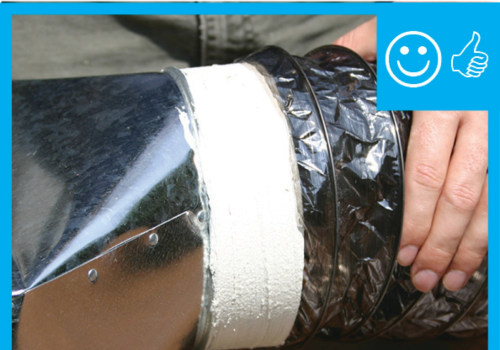
- Seal leaks: Use mastic sealant or metal tape to seal any visible leaks in your ductwork.
- Schedule regular inspections: As mentioned earlier, regular professional inspections can help maintain the integrity of your ducts.
- Avoid storing items near vents: Ensure that vents are unobstructed to allow for proper airflow.
Conclusion: Prioritizing Duct Health for a Comfortable Home
In conclusion, the significance of maintaining healthy ductwork in older homes cannot be overstated. As we have explored throughout this article, neglected ducts can lead to a myriad of issues that not only compromise the comfort of your living space but also pose serious health risks and inflate energy costs.Regular duct repair and maintenance are essential for ensuring that your HVAC system operates efficiently. When ducts are clean and intact, they facilitate optimal airflow, which is crucial for maintaining a consistent temperature throughout your home.Conversely, damaged or dirty ducts can hinder airflow, forcing your HVAC system to work harder and ultimately leading to increased wear and tear.Moreover, the presence of contaminants such as dust, mold, and even pests within your ductwork can severely affect indoor air quality. This is particularly concerning for individuals with allergies or respiratory conditions. By prioritizing duct health, you not only enhance the comfort of your home but also safeguard the well-being of your family.It is advisable for homeowners, especially those residing in older properties, to schedule regular inspections with a qualified HVAC professional. These experts can identify potential issues early on and recommend necessary repairs or replacements.
Ignoring the state of your ductwork can lead to more significant problems down the line, including costly repairs and decreased energy efficiency.In summary, investing in duct repair and maintenance is a proactive step towards ensuring a comfortable, healthy, and energy-efficient home. By taking action now, you can prevent future complications and enjoy peace of mind knowing that your home's air quality and HVAC performance are in optimal condition.