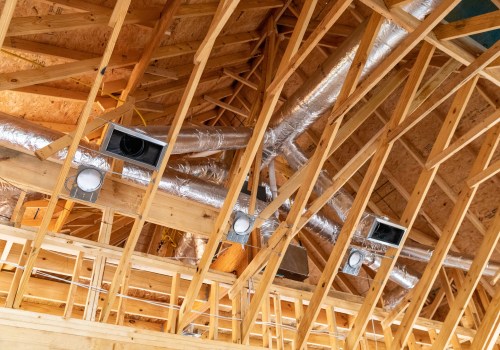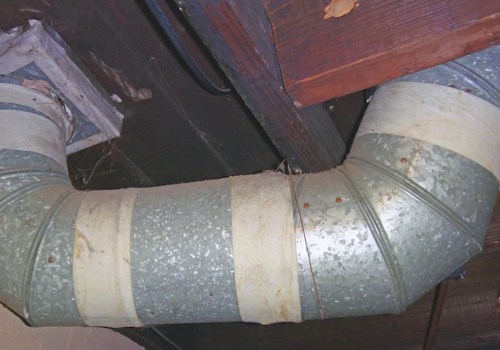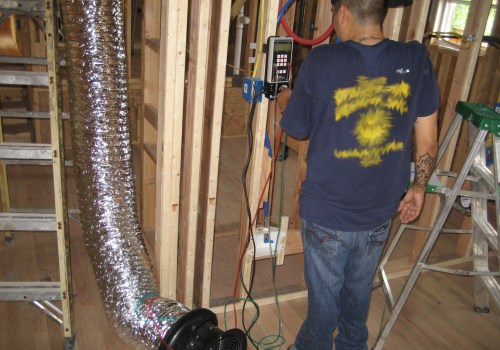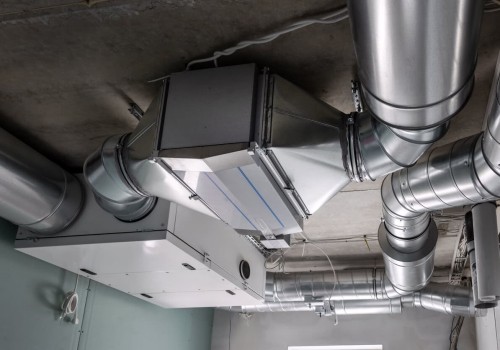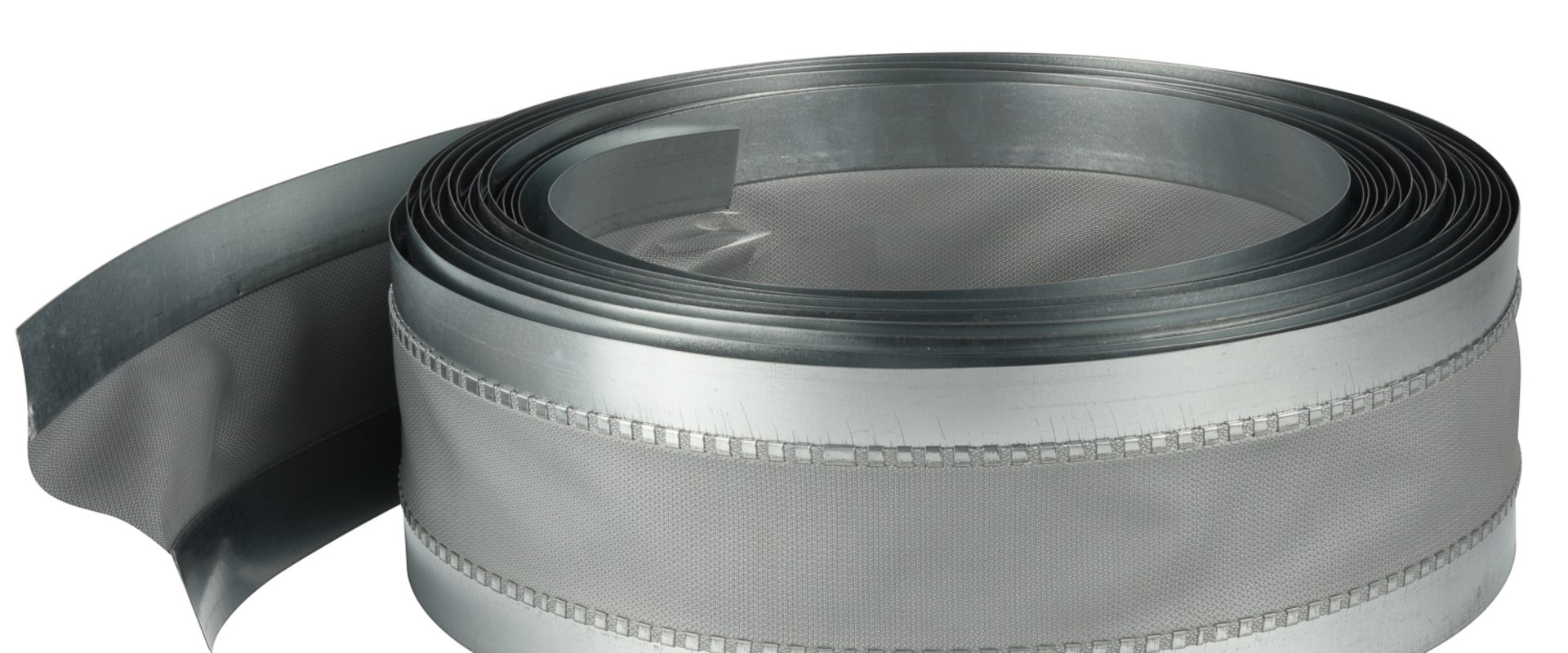
In the realm of home heating and cooling systems, HVAC flex ducts play a crucial role in ensuring efficient airflow throughout your living space. These flexible ducts are designed to transport conditioned air from your HVAC unit to various rooms, making them an integral component of your home's comfort system. Unlike rigid ductwork, flex ducts offer versatility in installation, allowing for easier navigation around obstacles and tight spaces. However, their unique properties also mean that they require specific attention when it comes to maintenance and repair.The lifespan of HVAC flex ducts can vary significantly based on several factors, including the quality of materials used, installation practices, and ongoing maintenance.
While many homeowners may expect these ducts to last for decades, neglecting proper care can lead to premature wear and tear. This is where the importance of duct repair comes into play. Regular inspections and timely repairs can not only extend the life of your flex ducts but also enhance the overall efficiency of your HVAC system.Understanding the significance of maintaining your flexible ductwork is essential for any homeowner. Over time, issues such as leaks, sagging, or improper sealing can arise, leading to decreased airflow and increased energy costs.
By prioritizing flexible duct maintenance, you can ensure that your HVAC system operates at peak performance, providing consistent comfort while minimizing energy waste. In the following sections, we will delve deeper into the average lifespan of flex ducts, the factors influencing their durability, and best practices for maintenance and repair.
What Are HVAC Flex Ducts?
HVAC flex ducts, or flexible ducts, are an essential component of modern heating, ventilation, and air conditioning systems. Unlike rigid ducts, which are made from solid materials like sheet metal or fiberglass, flex ducts are constructed from a pliable material that allows for easier installation in tight spaces and around obstacles. This flexibility makes them a popular choice for both residential and commercial applications.Typically, flex ducts consist of a core made from a durable plastic or metal wire that is surrounded by insulation and an outer layer of protective material.The insulation helps to maintain the temperature of the air traveling through the duct, while the outer layer protects against physical damage and environmental factors. The most common materials used in the construction of flex ducts include:
- Polyester: A lightweight and cost-effective option that provides good insulation properties.
- Foil: Often used for its durability and resistance to moisture, making it suitable for various climates.
- Fiberglass: Known for its excellent thermal insulation capabilities, though it can be more expensive than other materials.
This is particularly important for homeowners considering duct repair or replacement, as improper installation can lead to costly energy bills and decreased system performance.In contrast to rigid ducts, which provide a straight path for airflow, flex ducts may introduce more resistance due to their bends and curves. Therefore, understanding the differences between these two types of ducts is crucial when planning an HVAC system. Homeowners should consider factors such as space constraints, budget, and long-term maintenance when deciding between flex and rigid duct options.In summary, HVAC flex ducts offer a versatile solution for air distribution in various settings. Their construction from flexible materials allows for easier installation but requires careful handling to ensure optimal performance.
As you evaluate your HVAC system's needs—especially if you're contemplating duct repair—it's essential to understand the characteristics and benefits of flex ducts compared to their rigid counterparts.
Average Lifespan of Flex Ducts
When considering the average lifespan of flex ducts, it is essential to understand that these components can vary significantly in durability based on several factors. Generally, flex ducts are designed to last between 25 to 70 years, with an average lifespan of around 45 years. However, this range can be influenced by the quality of materials used, installation practices, and ongoing maintenance.One of the primary determinants of how long flex ducts last is the material composition. Most flexible ducts are made from a combination of plastic and metal, which allows for flexibility but can also lead to wear and tear over time.For instance, if the duct is exposed to extreme temperatures or humidity levels, it may degrade faster than expected. Additionally, improper installation can lead to sagging or kinks that restrict airflow, further reducing their lifespan.Another critical aspect to consider is the environment in which the ducts are installed. Ducts located in unconditioned spaces such as attics or crawl spaces may be more susceptible to damage from temperature fluctuations and moisture. Regular inspections can help identify potential issues before they escalate into significant problems.Homeowners should also be aware of the importance of maintenance.
Regular cleaning and inspection of flex ducts can help extend their lifespan. Dust and debris accumulation can not only affect airflow but also lead to mold growth, which poses health risks. Scheduling routine maintenance checks with a qualified HVAC professional can ensure that your system remains efficient and functional.In terms of a duct replacement timeline, it’s advisable for homeowners to start considering replacement options as their ducts approach the 20-30 year mark, especially if they notice signs of wear such as reduced airflow or increased energy bills. Being proactive about duct health can save homeowners from costly repairs and improve overall indoor air quality.In summary, while flex ducts can last several decades, their longevity is contingent upon material quality, installation methods, environmental conditions, and regular maintenance practices.
Understanding these factors will help homeowners make informed decisions regarding their HVAC systems and plan for future duct repair or replacement needs.
Factors Affecting the Lifespan of Flex Ducts
The lifespan of flex ducts is influenced by a variety of factors that homeowners should be aware of to ensure optimal performance and longevity. Understanding these factors can help in making informed decisions regarding duct repair and maintenance.Material Quality
The type of material used in the construction of flex ducts plays a significant role in their durability. Most flexible ducts are made from a combination of plastic and metal, which allows for flexibility but can also lead to vulnerabilities. High-quality materials are less prone to damage from environmental factors such as moisture and temperature fluctuations.Conversely, lower-quality materials may degrade more quickly, leading to leaks and reduced efficiency.
Installation Practices
Proper installation is crucial for maximizing the lifespan of flex ducts. If ducts are not installed according to industry standards, they may sag or become kinked, which can restrict airflow and lead to increased wear over time. It is essential to hire experienced professionals who understand the guidelines set forth by organizations like the Air Conditioning Contractors of America (ACCA). A well-installed duct system will not only last longer but will also operate more efficiently, reducing energy costs.Environmental Conditions
The environment in which the flex ducts are installed can also impact their lifespan.For instance, ducts located in areas with high humidity or extreme temperatures may experience accelerated wear. Additionally, exposure to contaminants such as dust, mold, or pests can compromise the integrity of the duct material. Regular inspections and maintenance can help identify potential issues before they lead to significant damage.
Maintenance Practices
Routine maintenance is vital for extending the life of flex ducts. Homeowners should schedule regular inspections to check for leaks, blockages, or signs of wear.Addressing minor issues promptly can prevent them from escalating into major problems that require costly duct repair. Furthermore, ensuring that filters are changed regularly and that the HVAC system is serviced can enhance overall system performance and duct longevity.In summary, the lifespan of flex ducts is contingent upon several factors including material quality, installation practices, environmental conditions, and maintenance routines. By understanding these elements, homeowners can take proactive steps to ensure their duct systems remain efficient and effective for years to come.
The Role of Proper Installation in Duct Longevity
When it comes to the longevity of HVAC flex ducts, the significance of proper installation cannot be overstated. The way ducts are installed directly influences their performance, efficiency, and lifespan.A well-executed installation not only ensures that the ducts function optimally but also minimizes the risk of future issues that could lead to costly duct repair.One of the primary reasons for hiring a professional for duct installation is their adherence to industry standards and guidelines. Organizations such as the Air Conditioning Contractors of America (ACCA) provide comprehensive manuals that outline best practices for duct construction and installation. These guidelines cover various aspects, including:
- Material Selection: Choosing the right materials is crucial. Professionals understand which types of flex ducts are suitable for specific applications, ensuring durability and efficiency.
- Proper Sizing: Ducts must be appropriately sized to match the HVAC system's capacity.
Incorrect sizing can lead to airflow issues, increased energy consumption, and premature wear.
- Sealing and Insulation: Proper sealing prevents air leaks, which can significantly affect system efficiency. Insulation helps maintain temperature and reduces energy loss.
- Support and Suspension: Flex ducts should be adequately supported to prevent sagging, which can restrict airflow and lead to inefficiencies.
Scheduling routine inspections can help identify potential issues early on, allowing for timely duct repair before they escalate into more significant problems.In conclusion, investing in professional duct installation is essential for maximizing the lifespan of your HVAC flex ducts. By following industry guidelines and ensuring meticulous attention to detail during installation, homeowners can enjoy a more efficient system with fewer repairs over time.
Maintenance Tips for Extending the Life of Your Flex Ducts
Maintaining your flex ducts is essential for ensuring their longevity and efficiency. Regular maintenance not only extends the life of your ducts but also enhances the overall performance of your HVAC system. Here are some practical tips to help you keep your flex ducts in optimal condition:- Regular Inspections: Schedule routine inspections of your ductwork at least once a year.
Look for signs of wear, such as cracks, tears, or sagging. Early detection of issues can prevent more significant problems down the line.
- Seal Leaks Promptly: If you notice any leaks in your flex ducts, address them immediately. Leaks can lead to energy loss and decreased efficiency. Use mastic sealant or metal tape to seal small gaps and ensure a tight connection.
- Keep Ducts Clean: Dust and debris can accumulate in your ducts over time, leading to reduced airflow and potential health issues.
Consider hiring a professional duct cleaning service every few years to remove buildup and improve air quality.
- Maintain Proper Insulation: Ensure that your flex ducts are adequately insulated, especially if they run through unconditioned spaces like attics or crawl spaces. Insulation helps maintain temperature and prevents condensation, which can lead to mold growth.
- Avoid Overloading: Be mindful of how much air is being pushed through your flex ducts. Overloading can cause them to sag or become damaged. Consult with an HVAC professional to ensure your system is appropriately sized for your home.
- Monitor Humidity Levels: High humidity can lead to moisture buildup in your ducts, promoting mold growth.
Use a dehumidifier if necessary, especially in areas prone to dampness.
- Change Filters Regularly: Replace or clean your HVAC filters every 1-3 months, depending on usage. Clean filters improve airflow and reduce strain on the system, which can positively impact the lifespan of your ducts.
Common Issues with Flex Ducts and How to Address Them
Flex ducts are a popular choice for HVAC systems due to their flexibility and ease of installation. However, they are not without their issues.Understanding the common problems associated with flex ducts can help homeowners take proactive measures to maintain their systems and avoid costly repairs.
Common Flex Duct Problems
- Sagging Ducts: One of the most prevalent issues with flex ducts is sagging. When ducts are not properly supported, they can droop, leading to airflow restrictions. This not only reduces the efficiency of your HVAC system but can also cause uneven heating or cooling in your home.
- Leaks: Leaks in flex ducts can occur at the seams or where the duct connects to vents and registers. These leaks allow conditioned air to escape, resulting in higher energy bills and decreased comfort levels.
Signs of leaks include noticeable temperature differences in rooms and increased energy consumption.
- Crushed Ducts: If flex ducts are installed too tightly or are subjected to heavy objects, they can become crushed. This restricts airflow and can lead to system strain, potentially causing premature wear on your HVAC unit.
- Moisture Accumulation: Flex ducts that are not insulated properly can accumulate moisture, leading to mold growth and poor indoor air quality. This is particularly concerning in humid climates where moisture control is critical.
Duct Repair Solutions
Addressing these issues promptly is essential for maintaining an efficient HVAC system. Here are some solutions:- Support Sagging Ducts: Ensure that your flex ducts are adequately supported with hangers or straps at regular intervals.
This will prevent sagging and maintain proper airflow.
- Seal Leaks: Use mastic sealant or metal tape to seal any leaks you find in your ductwork. Regular inspections can help identify these leaks before they become significant problems.
- Avoid Crushing: Be mindful of how your ducts are installed and ensure that they are not pinched or crushed by furniture or other objects. If you notice any damage, consider replacing the affected section of duct.
- Insulate Properly: To prevent moisture accumulation, ensure that your flex ducts are well-insulated, especially in unconditioned spaces like attics or crawl spaces.
The Importance of Duct Sealing and Insulation
When it comes to the efficiency and longevity of flex ducts, duct sealing and insulation are paramount.These two elements work together to ensure that your HVAC system operates at peak performance, ultimately saving you money and enhancing indoor air quality.
Duct sealing
is essential for preventing air leaks, which can significantly diminish the efficiency of your heating and cooling systems. Even small leaks can lead to substantial energy loss, causing your HVAC system to work harder than necessary. This not only increases your energy bills but also places additional strain on the system, potentially shortening its lifespan. By sealing ducts properly, you can:
- Enhance Energy Efficiency: Sealing leaks can improve the overall energy efficiency of your home by ensuring that conditioned air reaches its intended destination without escaping into unconditioned spaces.
- Improve Comfort: Properly sealed ducts help maintain consistent temperatures throughout your home, eliminating hot or cold spots.
- Reduce Noise: Sealed ducts can minimize noise from the HVAC system, creating a more comfortable living environment.
Insulation helps to prevent heat loss or gain as air travels through the ducts, especially in unconditioned spaces like attics or crawl spaces. Here are some key benefits of insulating your flex ducts:
- Energy Savings: Insulated ducts reduce the amount of energy required to heat or cool your home, leading to lower utility bills.
- Condensation Prevention: Proper insulation helps prevent condensation from forming on the duct surface, which can lead to mold growth and other moisture-related issues.
- Extended Lifespan: By protecting the duct material from temperature extremes and moisture, insulation can help extend the lifespan of your flex ducts.
When to Consider Duct Replacement vs.
RepairWhen it comes to maintaining your HVAC system, understanding whether to repair or replace your flex ducts is crucial for both efficiency and cost-effectiveness. Homeowners often face this dilemma, especially when they notice issues such as reduced airflow, increased energy bills, or visible damage to the ducts. Here are some guidelines to help you make an informed decision.
Assessing Duct Condition
- Visual Inspection: Start by examining your ducts for any visible signs of wear and tear. Look for cracks, holes, or significant sagging.
If the damage is localized and minimal, a repair may suffice.
- Airflow Testing: Check if all vents are delivering adequate airflow. If some areas of your home are noticeably cooler or warmer, it could indicate duct issues that might be repairable.
- Age of Ducts: Consider the age of your flex ducts. If they are nearing the end of their expected lifespan (typically 25-70 years), replacement might be more prudent than repair.
Cost Considerations
The cost of duct repair versus replacement can vary significantly based on several factors:
- Extent of Damage: Minor repairs such as sealing leaks or replacing small sections can be relatively inexpensive, often ranging from $100 to $500. However, extensive damage may require a full replacement, which can cost anywhere from $1,000 to $5,000 or more.
- Energy Efficiency: If your ducts are inefficient and causing high energy bills, investing in new ducts may save you money in the long run.
Newer materials and designs can improve airflow and reduce energy consumption.
- Long-Term Value: While repairs may seem cheaper initially, consider the long-term implications. Frequent repairs can add up over time, making replacement a more viable option for lasting efficiency.
When to Choose Replacement
If your ducts are extensively damaged, over 15 years old, or if you find yourself frequently repairing them, it may be time to consider a full replacement. Additionally, if you’re planning major renovations or upgrades to your HVAC system, replacing the ducts can ensure compatibility and efficiency.Ultimately, the decision between duct repair and replacement should be based on a thorough assessment of the condition of your ducts, the costs involved, and your long-term goals for home comfort and energy efficiency.
<strong>Conclusion</strong>: Key Takeaways on Flex Duct Lifespan and Maintenance
In summary, understanding the lifespan of HVAC flex ducts is crucial for homeowners looking to maintain an efficient and effective heating and cooling system. While the average lifespan of these ducts can range from 25 to 70 years, several factors can influence their durability and performance.Key takeaways include:
- Material Matters: The type of material used in flexible ducts plays a significant role in their longevity.
More pliable materials may be more prone to wear and tear, which can lead to issues such as sagging and airflow restrictions.
- Installation Quality: Proper installation is paramount. Ducts that are not installed according to industry standards can suffer from leaks and inefficiencies, ultimately shortening their lifespan. Hiring a qualified professional who adheres to guidelines from organizations like the Air Conditioning Contractors of America (ACCA) is essential.
- Regular Maintenance: Routine inspections and maintenance can help identify potential problems before they escalate. This includes checking for leaks, ensuring proper insulation, and verifying that ducts are securely suspended to prevent sagging.
- Impact of Environment: The environment in which the ducts are installed also affects their lifespan.
Factors such as humidity, temperature fluctuations, and exposure to contaminants can all contribute to wear over time.
- Energy Efficiency: Well-maintained flex ducts not only last longer but also improve the overall energy efficiency of your HVAC system. This can lead to significant savings on energy bills while enhancing indoor air quality.