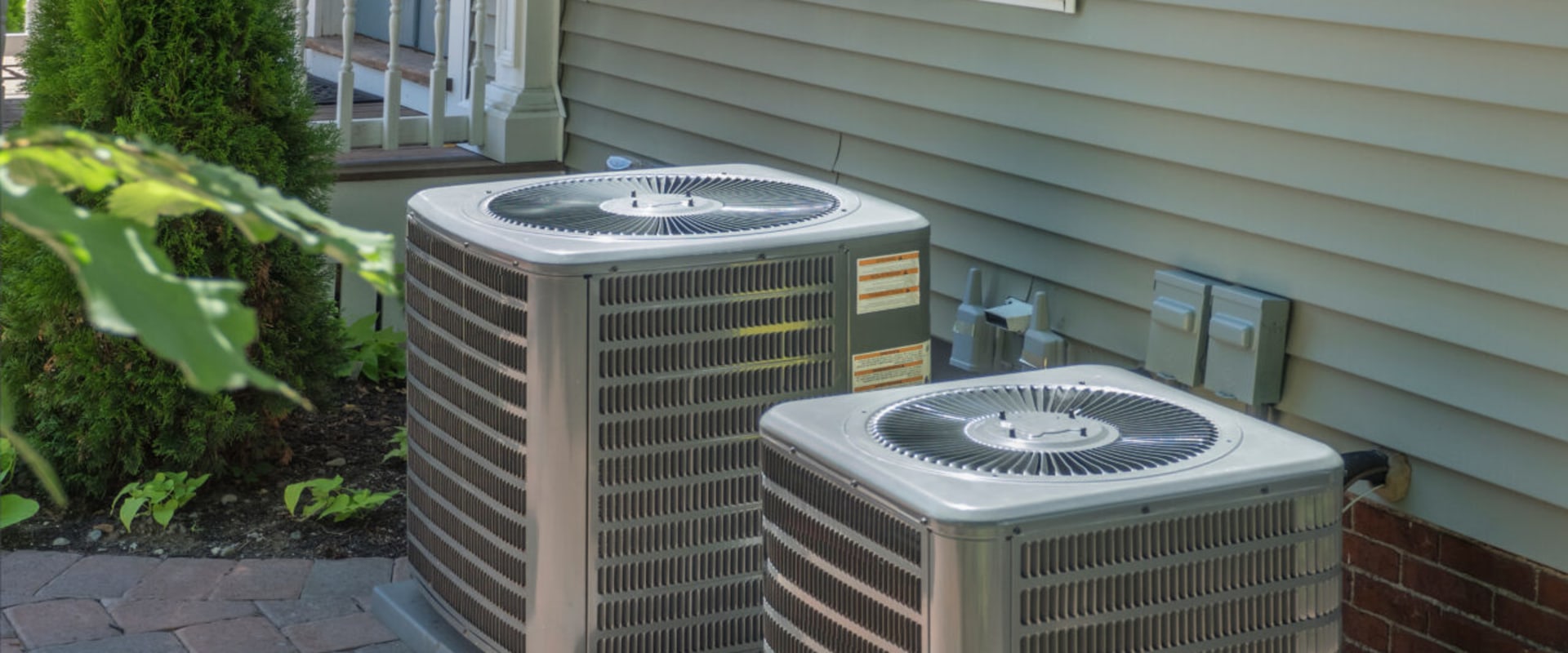
Ductwork is a critical component of any heating, ventilation, and air conditioning (HVAC) system, serving as the network through which conditioned air flows throughout your home. Its primary function is to distribute heated or cooled air from your HVAC unit to various rooms, ensuring that every corner of your living space maintains a comfortable temperature. However, the importance of ductwork extends beyond mere air distribution; it plays a vital role in maintaining indoor air quality and overall energy efficiency.When functioning optimally, ductwork allows for even airflow, which is essential for the effective operation of your air conditioning system. Poorly designed or damaged ducts can lead to significant issues such as hot or cold spots in your home, increased energy consumption, and even strain on your HVAC unit.
This strain can result in frequent repairs and a shorter lifespan for your air conditioning system. Therefore, understanding how ductwork affects AC performance is crucial for homeowners looking to maximize comfort and minimize costs.Moreover, the condition of your ductwork can directly impact the quality of the air you breathe indoors. Dust, allergens, and other pollutants can accumulate in old or damaged ducts, leading to poor indoor air quality that can affect your health and well-being. Regular maintenance and timely replacement of ductwork are essential not only for optimal AC performance but also for ensuring a healthy living environment.
As we delve deeper into the significance of duct repair and replacement, it becomes clear that investing in this often-overlooked aspect of HVAC systems is vital for long-term comfort and efficiency.
Signs Your Ductwork Needs Replacement
Recognizing the signs that your ductwork needs replacement is essential for maintaining optimal air conditioning performance and ensuring a comfortable living environment. Here are some key indicators that suggest it may be time to consider replacing your ducts:- Age of Ductwork: If your duct system is over 10 years old, it’s wise to have it evaluated. Ducts can deteriorate over time due to wear and tear, leading to inefficiencies in your HVAC system.
- Visible Damage: Inspect your ducts for any visible signs of damage, such as cracks, holes, or disconnected sections. These issues can significantly impact airflow and lead to energy loss.
- Inconsistent Temperatures: If you notice that certain rooms in your home are consistently warmer or cooler than others, this could indicate that your ductwork is not distributing air evenly.
This inconsistency often points to leaks or blockages within the ducts.
- Increased Energy Bills: A sudden spike in your energy bills can be a red flag. If your HVAC system is working harder than necessary due to inefficient ductwork, it will consume more energy, leading to higher costs.
- Mold Growth: The presence of mold around your vents or within the ductwork itself is a serious concern. Mold thrives in damp environments, and if your ducts are leaking or poorly insulated, they can become a breeding ground for mold spores.
- Unusual Noises: Pay attention to any strange noises coming from your ducts, such as rattling or whistling sounds. These noises can indicate blockages or loose connections that may require replacement.
- Poor Indoor Air Quality: If you or your family members are experiencing increased allergy symptoms or respiratory issues, it may be due to dust and pollutants circulating through damaged ducts.
Replacing old ductwork can help improve indoor air quality significantly.
The Impact of Old Ductwork on AC Performance
As your home’s ductwork ages, it can significantly impact the performance of your air conditioning system. Old or damaged ducts can lead to a myriad of issues that not only affect comfort but also inflate energy costs.Understanding these effects is crucial for homeowners looking to maintain an efficient and effective cooling system.One of the primary concerns with aging ductwork is air leakage. Over time, joints and seams can deteriorate, allowing conditioned air to escape before it reaches its intended destination. This leakage can result in uneven cooling throughout your home, leaving some rooms uncomfortably warm while others are too cold. Consequently, your AC unit has to work harder to compensate for this lost air, leading to increased wear and tear on the system.Moreover, the insulation around ducts can degrade over time, further exacerbating the problem.
Poorly insulated ducts can absorb heat from surrounding areas, causing the cooled air to warm up before it even enters your living spaces. This inefficiency not only reduces comfort levels but also leads to higher energy bills as your AC struggles to maintain the desired temperature.Another critical factor is air quality. Old ductwork can accumulate dust, mold, and other allergens over time. When your AC system operates, these contaminants can be circulated throughout your home, potentially leading to health issues for you and your family.
Regular maintenance may help mitigate some of these problems, but ultimately, if the ductwork is too old or damaged, replacement may be necessary.In addition to these issues, consider the energy costs associated with running an inefficient AC system. According to the U. S. Department of Energy, leaky ducts can waste 20% or more of the energy used for heating and cooling.
This means that not only are you paying more for energy consumption, but you are also contributing to unnecessary wear on your HVAC system.In summary, old ductwork can severely hinder the efficiency of your air conditioning system. From air leakage and poor insulation to compromised air quality and inflated energy costs, the implications are significant. Homeowners should prioritize regular inspections and consider replacing their ductwork when necessary to ensure optimal AC performance and comfort in their homes.
Benefits of Replacing Ductwork with New Systems
Replacing old ductwork can significantly enhance the overall performance of your HVAC system, leading to a multitude of benefits that extend beyond mere comfort. Here are some key advantages of investing in new duct systems:- Improved Air Quality: One of the most compelling reasons to replace ductwork is the improvement in indoor air quality.
Over time, ducts can accumulate dust, allergens, and other pollutants that can circulate throughout your home. New duct systems are designed to minimize these issues, ensuring that the air you breathe is cleaner and healthier.
- Enhanced Energy Efficiency: Old and damaged ducts can lead to significant energy loss, as conditioned air escapes through leaks and gaps. By installing new ductwork, you can achieve better sealing and insulation, which translates to lower energy bills. A more efficient system not only saves you money but also reduces your carbon footprint.
- Better Temperature Control: New duct systems provide improved airflow, which helps maintain consistent temperatures throughout your home.
This means no more hot or cold spots in different rooms, allowing for a more comfortable living environment. With better temperature regulation, your HVAC system can operate more effectively.
- Increased System Longevity: When you replace your ductwork alongside your HVAC unit, you help ensure that both systems work harmoniously together. This synergy can lead to a longer lifespan for your air conditioning system, as it won’t have to work as hard to push air through inefficient ducts.
- Reduced Noise Levels: Older ducts can create noise due to airflow restrictions or vibrations. New ductwork is often designed with sound-dampening features that minimize operational noise, contributing to a quieter home environment.
From improved air quality and energy efficiency to better temperature control and reduced noise levels, investing in new ducts is a decision that pays off in both comfort and cost savings. If you're considering an upgrade to your HVAC system, don't overlook the importance of modernizing your ductwork as well.
Choosing the Right Ductwork for Your Home
When it comes to duct repair and replacement, selecting the right ductwork for your home is essential for ensuring optimal air distribution and energy efficiency. The choice of duct materials and systems can significantly impact your HVAC system's performance, so understanding your options is crucial.Types of Ductwork Materials
There are several types of ductwork materials available, each with its own advantages and disadvantages:- Sheet Metal Ducts: These are typically made from galvanized steel or aluminum. They are durable, resistant to moisture, and provide excellent airflow.
However, they can be more expensive and may require professional installation.
- Flexible Ducts: Made from a thin layer of plastic that is covered in a wire coil, flexible ducts are easy to install and can fit into tight spaces. While they are less expensive, they can be prone to kinks and may not provide the same level of airflow as rigid ducts.
- Fiberglass Ducts: These ducts are insulated and help reduce noise while maintaining temperature. They are lightweight and easy to install but can absorb moisture, leading to mold growth if not properly maintained.
- Fabric Ducts: Often used in commercial settings, fabric ducts are made from permeable materials that allow for even air distribution. They are lightweight and can be aesthetically pleasing but may require more frequent cleaning.
Best Duct Options for Homes
The best duct option for your home depends on various factors such as size, layout, and budget.For larger homes with multiple rooms, sheet metal ducts may be the best choice due to their durability and efficiency. On the other hand, if you have a smaller home or specific areas that require heating or cooling, flexible ducts might be more suitable due to their adaptability.
Selecting Duct Systems
When selecting a duct system, consider the following:- Home Size: Larger homes may require a more complex duct system with multiple branches to ensure even airflow throughout.
- Layout: The design of your home can affect how air flows through the ducts. A well-planned layout will minimize bends and turns, which can restrict airflow.
- Insulation: Proper insulation around ducts is vital to prevent energy loss. Insulated ducts help maintain temperature and improve efficiency.
- Local Climate: Depending on your region's climate, certain materials may perform better than others.
For example, in humid areas, moisture-resistant materials are essential.
The Cost of Duct Replacement: What to Expect
When considering the replacement of ductwork, understanding the associated costs is essential for effective budgeting. The price of duct replacement can vary significantly based on several factors, including the size of your home, the type of materials used, and the complexity of the installation process.Average Costs
On average, homeowners can expect to pay between $1,500 and $5,000 for duct replacement. This range typically includes both labor and materials. However, in some cases, costs can exceed this range depending on specific circumstances.
Factors Affecting Duct Replacement Price
- Size of the Duct System: Larger homes require more extensive ductwork, which naturally increases material and labor costs.
- Type of Materials: The choice of materials can significantly impact the overall cost.
For instance, flexible ducts are generally less expensive than rigid metal ducts but may not offer the same durability or efficiency.
- Accessibility: If your existing ductwork is difficult to access—such as being located in tight spaces or behind walls—this can increase labor costs due to the additional time and effort required for installation.
- Local Labor Rates: Labor costs can vary widely depending on your geographical location. Urban areas may have higher rates compared to rural regions.
- Existing Duct Condition: If your current ductwork is in poor condition and requires extensive repairs before replacement, this can add to the overall cost.
Budgeting for Duct Work
When planning for duct replacement, it’s wise to set aside a budget that accounts for unexpected expenses. Consider obtaining multiple quotes from reputable HVAC contractors to ensure you receive a fair price. Additionally, inquire about any warranties or maintenance plans that may be available with your new duct system.In conclusion, while the initial investment in duct replacement may seem daunting, it is crucial for enhancing your HVAC system's efficiency and ensuring optimal indoor air quality.
By understanding the costs involved and planning accordingly, homeowners can make informed decisions that lead to long-term savings and comfort.
DIY vs. Professional Duct Replacement: Pros and Cons
When it comes to replacing ductwork, homeowners often face a critical decision: should they tackle the project themselves or hire a professional HVAC service? Each option has its own set of advantages and disadvantages that can significantly impact the outcome of the duct replacement process.DIY Duct Replacement
Opting for a DIY duct replacement can be appealing for those who are handy and want to save on labor costs. Here are some pros and cons to consider:- Pros:
- Cost Savings: By doing the work yourself, you can save on labor costs, which can be substantial.
- Flexibility: You can work on your own schedule, allowing for a more convenient timeline.
- Learning Experience: Completing a DIY project can enhance your skills and knowledge about HVAC systems.
- Cons:
- Lack of Expertise: Without professional training, you may overlook critical issues that could affect system performance.
- Time-Consuming: DIY projects often take longer than anticipated, especially if you encounter unexpected challenges.
- Potential for Errors: Mistakes in installation can lead to air leaks, reduced efficiency, and increased energy costs.
Professional HVAC Services
Hiring a professional HVAC service for duct replacement offers its own set of benefits that can outweigh the costs involved. Here’s what to consider:- Pros:
- Expertise and Experience: Professionals have the training and experience to identify issues that may not be apparent to an untrained eye.
- Quality Assurance: A licensed technician will ensure that the installation meets industry standards, which can enhance system performance and longevity.
- Time Efficiency: Professionals can complete the job more quickly due to their experience and access to specialized tools.
- Cons:
- Higher Costs: Hiring professionals involves labor costs that can increase the overall expense of the project.
- Scheduling Conflicts: You may need to work around the contractor's availability, which could delay the project.
For many homeowners, investing in professional services ensures peace of mind and optimal performance from their HVAC systems.
Maintaining Your Ductwork After Replacement
Once you have invested in new ductwork, it is essential to implement a maintenance routine to ensure its longevity and optimal performance. Proper care not only enhances the efficiency of your heating and cooling systems but also contributes to better indoor air quality. Here are some practical tips for maintaining your newly installed ducts:- Regular Inspections: Schedule annual inspections with a qualified HVAC technician. They can identify potential issues such as leaks, blockages, or signs of wear that may affect your duct system's performance.
- Keep Ducts Clean: Dust and debris can accumulate in your ducts over time, leading to reduced airflow and air quality.
Consider having your ducts professionally cleaned every 3 to 5 years, or more frequently if you have pets or allergies.
- Seal and Insulate: Ensure that all joints and seams in your ductwork are properly sealed. Use mastic sealant or metal tape to prevent air leaks. Additionally, insulating ducts that run through unconditioned spaces can help maintain temperature and improve efficiency.
- Change Air Filters Regularly: A clean air filter is crucial for maintaining airflow and preventing dust from entering the duct system. Check your filters monthly and replace them every 1 to 3 months, depending on usage and filter type.
- Avoid Blocking Vents: Ensure that furniture, curtains, or other objects do not obstruct air vents.
Blocked vents can lead to uneven heating or cooling and increased energy costs.
- Monitor Humidity Levels: High humidity can lead to mold growth within ducts. Use a dehumidifier if necessary to keep humidity levels in check, especially in areas prone to moisture.
Frequently Asked Questions About Duct Replacement
When it comes to duct replacement, homeowners often have numerous questions.Understanding the intricacies of ductwork can significantly impact your home's comfort and energy efficiency. Below are some frequently asked questions that can help clarify the duct replacement process.
1.How do I know if my ducts need to be replaced?
Several signs indicate that your ductwork may need replacement:- Age: If your ducts are over 10 years old, they may be due for replacement.
- Visible Damage: Look for cracks, holes, or rust in your ducts.
- Increased Energy Bills: A sudden spike in your energy costs could indicate that your ducts are leaking air.
- Poor Airflow: If certain rooms in your home are consistently warmer or cooler than others, it may be a sign of duct issues.
- Mold Growth: The presence of mold around your ducts can indicate moisture problems that necessitate replacement.
2.What is the average cost of duct replacement?
The cost of replacing ductwork can vary widely based on several factors, including:- The size of your home
- The complexity of the installation
- The type of materials used
3.Can I replace my ducts myself?
While some homeowners may consider DIY duct replacement, it is generally not recommended. Ductwork installation requires specialized knowledge and tools to ensure proper sealing and insulation.Improper installation can lead to air leaks and reduced efficiency, negating any potential savings.
4.How long does the duct replacement process take?
The duration of the duct replacement process can vary based on the size of the job. Typically, a full replacement can take anywhere from one day to several days. Your HVAC contractor will provide a more accurate timeline based on your specific situation.5.Will replacing my ducts improve indoor air quality?
Yes, replacing old or damaged ducts can significantly enhance indoor air quality. New ducts are less likely to harbor dust, allergens, and mold, leading to cleaner air circulating throughout your home.This is especially beneficial for individuals with allergies or respiratory issues.By addressing these common questions about duct replacement, homeowners can make informed decisions that enhance their home's comfort and efficiency.
Conclusion: The Long-Term Value of Duct Replacement for AC Efficiency
In summary, the decision to replace ductwork when upgrading your air conditioning system is not merely a matter of convenience; it is a strategic investment in your home’s long-term comfort and efficiency. As we have explored, aging duct systems can significantly hinder the performance of even the most advanced AC units. By opting for duct repair or replacement, you are addressing potential issues that could lead to increased energy consumption and uneven temperature distribution throughout your home.Moreover, the benefits of new ductwork extend beyond just improved airflow. Enhanced duct systems contribute to better indoor air quality by minimizing dust, allergens, and other pollutants that can accumulate in older ducts.This is particularly important for households with children, elderly members, or individuals with respiratory conditions. Clean, well-maintained ducts ensure that the air circulating in your home is as healthy as possible.Additionally, investing in new ductwork can lead to significant cost savings over time. While the initial expense may seem daunting, the reduction in energy bills due to improved efficiency can quickly offset this cost. Homeowners often find that their new systems operate more quietly and effectively, providing a more pleasant living environment.It is also worth noting that many HVAC professionals recommend synchronizing duct replacement with AC unit upgrades.
This approach not only streamlines the installation process but also ensures that both systems work harmoniously together from day one. By doing so, you can avoid the inconvenience and additional costs associated with retrofitting new ducts later on.Ultimately, the long-term value of replacing ductwork cannot be overstated. It is an essential component of maintaining an efficient and comfortable home environment. As you consider your options for air conditioning upgrades, remember that investing in duct repair or replacement is a proactive step towards ensuring optimal performance and enhancing your overall quality of life.