Ductwork is a critical component of any heating, ventilation, and air conditioning (HVAC) system, serving as the network through which conditioned air flows throughout your home. Its primary function is to distribute warm or cool air from your HVAC unit to various rooms, ensuring a comfortable indoor environment regardless of the weather outside. However, many homeowners often overlook the significance of their ductwork until issues arise. Understanding the importance of ductwork is essential for maintaining an efficient HVAC system and ensuring optimal indoor air quality.Over time, ductwork can suffer from wear and tear due to age, poor installation, or environmental factors.
This deterioration can lead to leaks, blockages, and other issues that significantly impact the efficiency of your HVAC system. When air escapes through leaks or is obstructed by debris, your system must work harder to maintain the desired temperature, resulting in increased energy consumption and higher utility bills. In fact, studies have shown that leaky ducts can reduce HVAC efficiency by as much as 20% or more. Therefore, regular maintenance and timely repairs are crucial to preserving the integrity of your ductwork.While duct repair can be a viable solution for minor issues, it is essential to recognize when a complete replacement may be necessary.
In some cases, older duct systems may be beyond repair or may not meet current energy efficiency standards. Replacing outdated or damaged ductwork can lead to significant improvements in airflow, energy efficiency, and overall comfort in your home. By investing in new ductwork, homeowners can not only enhance their HVAC system's performance but also contribute to a healthier living environment by reducing dust and allergens circulating through their home.
Signs Your Ductwork Needs Replacement
Identifying when your ductwork needs replacement is crucial for maintaining an efficient HVAC system. Ignoring the signs of duct damage can lead to increased energy costs, poor indoor air quality, and even health issues.Here are some key indicators that suggest it may be time to consider replacing your ductwork.
- Increased Energy Bills: If you notice a sudden spike in your energy bills without a corresponding increase in usage, it could be a sign that your ductwork is compromised. Damaged or leaky ducts force your HVAC system to work harder, leading to higher energy consumption.
- Uneven Heating or Cooling: Are certain rooms in your home significantly warmer or cooler than others? This inconsistency often points to issues within the duct system. Blocked or damaged ducts can disrupt airflow, resulting in uneven temperatures throughout your home.
- Strange Noises: Unusual sounds such as rattling, whistling, or banging coming from your ducts can indicate loose connections or blockages. These noises are not just annoying; they can also signal that your ductwork is failing and may need replacement.
- Visible Damage: Inspecting your ducts for visible signs of wear and tear is essential.
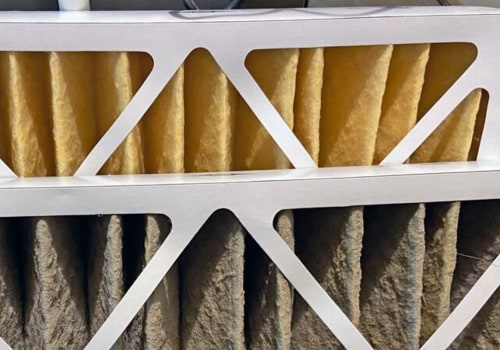
Look for cracks, holes, or rust on metal ducts, and check for mold growth or dust accumulation on flexible ducts. Any visible damage is a strong indicator that replacement may be necessary.
- Age of Ductwork: The age of your ductwork plays a significant role in its efficiency. If your ducts are over 15 years old and showing signs of wear, it might be time to consider a replacement. Older systems are more prone to leaks and inefficiencies.
- Poor Indoor Air Quality: If you or your family members are experiencing increased allergy symptoms or respiratory issues, it could be due to dust and allergens circulating through damaged ducts.
Replacing old ductwork can significantly improve indoor air quality.
The Efficiency Gains from Replacing Ductwork
Replacing ductwork can lead to significant energy efficiency gains, which is a crucial consideration for homeowners looking to reduce their energy bills and enhance overall comfort. Over time, existing ducts may develop leaks, become clogged with dust and debris, or suffer from poor insulation. These issues can severely hinder the performance of your HVAC system, forcing it to work harder and consume more energy.One of the primary benefits of installing new ductwork is the improvement in airflow.New ducts are designed to optimize air distribution throughout your home, ensuring that every room receives adequate heating and cooling. This balanced airflow not only enhances comfort but also reduces the workload on your HVAC system, leading to lower energy consumption.Moreover, modern duct materials are often more efficient than older options. For instance, insulated ducts can minimize heat loss or gain as air travels through them, maintaining the desired temperature in your living spaces. This is particularly important in extreme weather conditions, where maintaining a consistent indoor climate is essential for comfort.Another aspect to consider is the potential for improved indoor air quality.
New ductwork can be designed with better filtration systems that help trap allergens and pollutants, contributing to a healthier living environment. This is especially beneficial for individuals with allergies or respiratory issues.In addition to these benefits, replacing ductwork can also lead to long-term savings. While the initial investment may seem substantial, the reduction in energy bills over time can offset these costs significantly. Homeowners often find that new duct systems pay for themselves within a few years through decreased utility expenses.Ultimately, investing in new ductwork not only enhances HVAC efficiency but also improves the overall quality of life in your home.
By ensuring that your heating and cooling systems operate at peak performance, you create a more comfortable and cost-effective living environment.
Health Benefits of Replacing Old Ductwork
When considering the health benefits of replacing old ductwork, it’s essential to understand the significant role that duct systems play in maintaining indoor air quality. Over time, ducts can accumulate dust, mold, and other allergens that can circulate throughout your home, leading to various health issues.One of the primary concerns with aging ductwork is the buildup of allergens. Pollen, pet dander, dust mites, and even mold spores can find their way into your ducts. When your HVAC system operates, these particles are blown into your living spaces, potentially triggering allergies or respiratory issues for sensitive individuals.Replacing old ductwork can significantly reduce these allergens, providing a cleaner and healthier environment.Moreover, older ducts may develop leaks or cracks that allow contaminants from attics or crawl spaces to enter the air supply. This not only compromises air quality but can also introduce harmful substances like asbestos or volatile organic compounds (VOCs) into your home. By opting for new ductwork, you can ensure a sealed system that minimizes the risk of such pollutants infiltrating your indoor air.Another critical aspect is the impact of humidity on indoor air quality. Old ducts may not effectively manage moisture levels, leading to an environment conducive to mold growth.
Mold spores can exacerbate asthma and other respiratory conditions. New duct systems often come with improved insulation and sealing capabilities that help regulate humidity levels, thus reducing the likelihood of mold proliferation.In addition to physical health benefits, replacing ductwork can also enhance overall comfort in your home. Improved airflow means more consistent temperatures throughout your living spaces, which can lead to a more pleasant indoor environment. This comfort can have a positive psychological effect on residents, contributing to overall well-being.In summary, the health benefits of replacing old ductwork extend beyond mere efficiency improvements.
By investing in new ducts, homeowners can significantly enhance indoor air quality, reduce allergens and pollutants, and create a healthier living space for themselves and their families.
Cost Considerations: Repairing vs. Replacing Ductwork
When considering the financial implications of duct repair versus duct replacement, homeowners must weigh several factors to make an informed decision. Understanding the costs associated with each option can help you determine the best course of action for your home’s HVAC system.Duct Repair Costs
- The average cost of duct repair typically ranges from $300 to $1,500, depending on the extent of the damage and the specific repairs needed.
- Minor repairs, such as sealing leaks or replacing small sections of ductwork, can be relatively inexpensive, often costing between $300 and $600.
- More extensive repairs, like fixing significant leaks or replacing larger sections of ductwork, can push costs higher, potentially reaching up to $1,500.
Duct Replacement Costs
- In contrast, the cost of duct replacement is generally much higher, averaging between $2,000 and $5,000 for a complete system overhaul.
- This price can vary based on factors such as the size of your home, the type of ductwork materials used (e.g., fiberglass vs. metal), and labor costs in your area.
- Additionally, if your home requires modifications to accommodate new ductwork or if you are upgrading to a more efficient system, costs can escalate further.
Cost-Benefit Analysis
When conducting a cost-benefit analysis between duct repair and duct replacement, consider the following:
- Longevity: Repairs may provide a temporary fix but could lead to recurring issues if the underlying problems are not addressed.
In contrast, new ductwork can last 20 years or more.
- Energy Efficiency: Replacing old ducts with new ones can significantly improve energy efficiency, leading to lower utility bills over time. This is particularly important if your current ducts are causing your HVAC system to work harder than necessary.
- Comfort Levels: New ductwork can enhance airflow and temperature regulation throughout your home, improving overall comfort.
- Future Repairs: If your ducts are already showing signs of wear and tear, investing in a replacement may save you from frequent repairs in the future.
Choosing the Right Materials for Duct Replacement
When it comes to duct replacement, selecting the right materials is crucial for ensuring optimal performance and longevity of your HVAC system. Various materials are available, each with its own set of advantages and disadvantages.Understanding these options can help homeowners make informed decisions that align with their specific needs.
Common Duct Materials
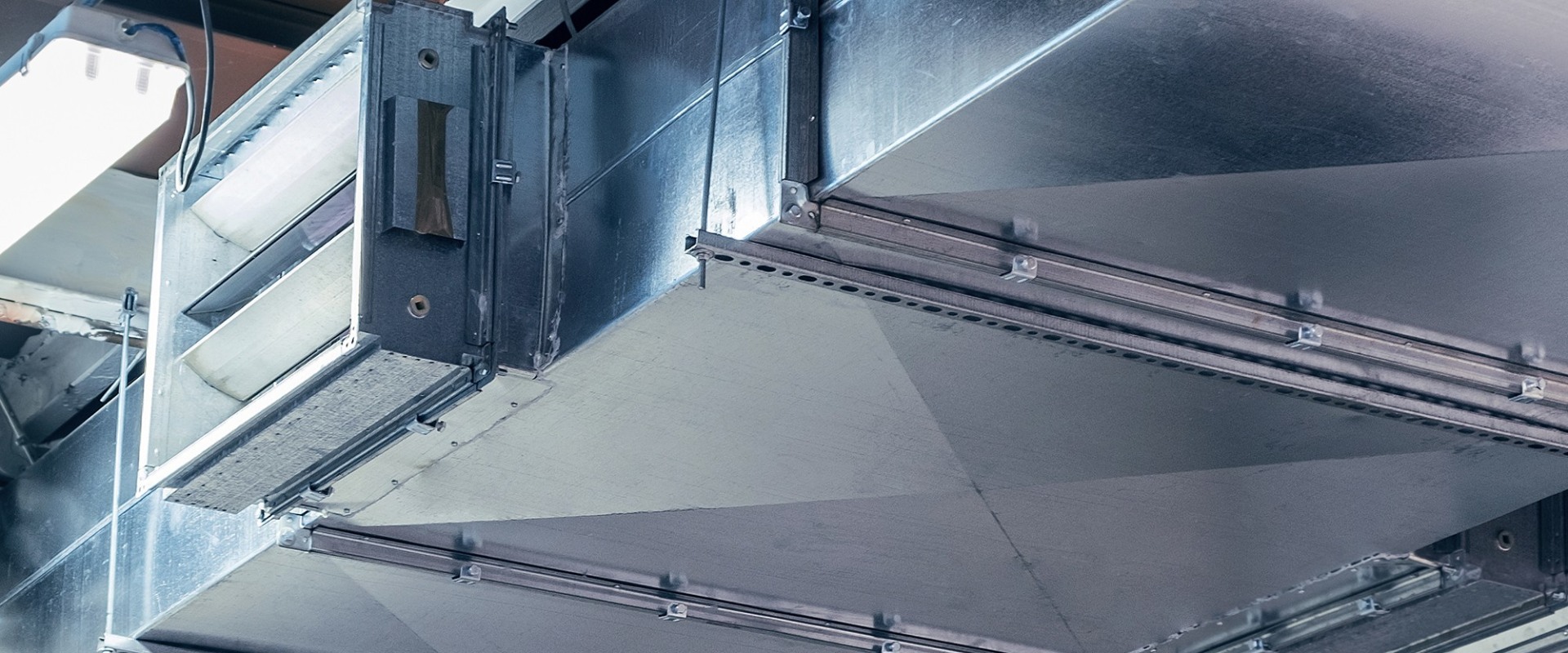
- Sheet Metal: Typically made from galvanized steel or aluminum, sheet metal ducts are known for their durability and strength. They are resistant to moisture and do not support mold growth, making them a popular choice for many homeowners. However, they can be more expensive than other options and may require additional insulation to prevent heat loss.
- Flexible Ducts: Made from a combination of plastic and metal, flexible ducts are lightweight and easy to install in tight spaces. They are often used in retrofitting projects due to their adaptability.
However, they can be prone to kinks and may not provide the same level of airflow efficiency as rigid ducts.
- Fiberglass Ducts: These ducts are constructed from fiberglass insulation wrapped in a thin layer of metal or plastic. They offer excellent thermal insulation, which helps maintain temperature control within the duct system. However, they can be susceptible to moisture damage and may require careful installation to avoid air leaks.
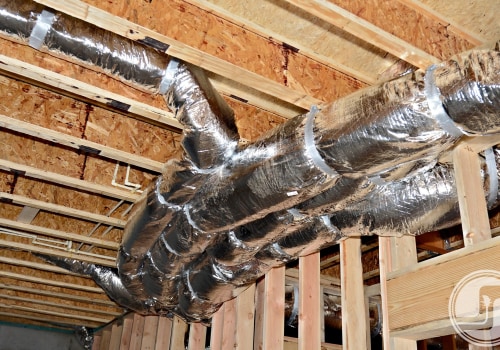
- Insulated Ducts: Insulated ducts come with a layer of insulation that helps reduce energy loss by maintaining the temperature of the air traveling through them. This is particularly beneficial in extreme climates where heating or cooling efficiency is paramount.
Insulated ducts can also minimize noise levels, providing a quieter indoor environment.
Benefits of Insulated Ducts
Choosing insulated ducts can significantly enhance the efficiency of your HVAC system. Here are some key benefits:- Energy Efficiency: Insulated ducts help maintain the desired temperature of the air, reducing the workload on your heating and cooling systems. This leads to lower energy bills over time.
- Mold Prevention: By keeping the temperature consistent within the ducts, insulated options reduce the risk of condensation forming, which can lead to mold growth.
- Noise Reduction: The insulation material acts as a sound barrier, minimizing noise from airflow and equipment operation, contributing to a more peaceful home environment.
The Installation Process: What to Expect When Replacing Ductwork
Replacing ductwork is a significant undertaking that can greatly enhance the efficiency and comfort of your home.Understanding the duct installation process can help you prepare for what to expect during this transition. Here’s a detailed overview of the typical steps involved in replacing ducts.
1.Initial Assessment
The first step in the duct replacement process is a thorough assessment by a qualified HVAC technician. They will evaluate your existing ductwork, checking for signs of damage, leaks, or blockages. This assessment helps determine whether a full replacement is necessary or if repairs could suffice.
2.Planning and Design
Once the assessment is complete, the technician will work with you to design a new duct system tailored to your home’s layout and heating/cooling needs.
This phase may involve creating blueprints that outline the placement of ducts, vents, and registers to ensure optimal airflow.
3.Preparation of the Work Area
Before installation begins, the work area must be prepared. This includes clearing furniture and other obstacles from around vents and registers. In some cases, access points may need to be created in walls or ceilings to facilitate the installation of new ducts.
4.Removal of Old Ductwork
The next step involves carefully removing the old ductwork. This process can be messy, as it often involves cutting through drywall or insulation.
Technicians will take precautions to minimize dust and debris, but it’s wise to cover furniture and floors in the vicinity.
5.Installation of New Ducts
With the old ducts removed, technicians will begin installing the new ductwork according to the pre-established design. This step includes securing ducts in place, connecting them to your HVAC system, and ensuring that all joints are sealed properly to prevent air leaks.
6.Testing and Balancing
After installation, it’s crucial to test the new system for efficiency and effectiveness. Technicians will check for proper airflow at each vent and make adjustments as necessary to balance the system. This ensures that every room receives adequate heating or cooling.
7.Final Inspection
The final step involves a thorough inspection of the entire system to ensure everything is functioning correctly.
The technician will review their work with you, explaining how to maintain your new ductwork and what signs to watch for in case issues arise in the future.By understanding these steps, homeowners can feel more confident about what to expect during their duct replacement project. Proper preparation and communication with your HVAC technician can lead to a smoother installation process and improved home comfort.
Frequently Asked Questions About Duct Replacement
When considering duct replacement, many homeowners have questions about the process, costs, and benefits. Here are some of the most frequently asked questions regarding ductwork and the decision to repair or replace it.What are the signs that I need to replace my ductwork?
Several indicators suggest that your ductwork may need replacement:- Age: If your ducts are over 15 years old, they may be deteriorating and less efficient.
- Visible Damage: Look for cracks, holes, or rust in your ducts. These can lead to significant air leaks.
- Inconsistent Temperatures: If certain rooms in your home are consistently warmer or cooler than others, it may indicate duct issues.
- Increased Energy Bills: A sudden spike in your energy costs could mean your HVAC system is working harder due to inefficient ducts.
- Mold Growth: The presence of mold in or around your ducts can indicate moisture problems that necessitate replacement.
Is duct repair a better option than replacement?
The choice between duct repair and replacement depends on the condition of your existing ducts.If the damage is minimal and localized, repairs can be a cost-effective solution. However, if your ducts are extensively damaged or outdated, replacement may be the more prudent long-term investment. Consulting with an HVAC professional can help you make an informed decision based on a thorough assessment of your system.
How much does duct replacement typically cost?
The cost of replacing ductwork varies widely based on factors such as:- The size of your home
- The complexity of the installation
- The type of materials used
- Your geographical location
How long does the duct replacement process take?
The duration of a duct replacement project can vary based on the size of the job and the accessibility of existing ducts.Generally, homeowners can expect the process to take anywhere from one day to several days. A professional HVAC technician will provide a more accurate timeline after assessing your specific situation.Understanding these common questions about duct repair and replacement can help you make informed decisions regarding your home's HVAC system. Always consult with a qualified technician for personalized advice tailored to your needs.
Conclusion: Making the Right Choice for Your Home's Ductwork
In conclusion, the decision to replace or repair your ductwork is not one to be taken lightly. As we have explored throughout this article, the condition of your ducts plays a crucial role in the overall efficiency and effectiveness of your HVAC system.While duct repair may seem like a quick fix, it is essential to consider the long-term implications of such decisions.When evaluating your options, keep in mind the following key points:
- Efficiency Gains: Replacing old or damaged ductwork can significantly enhance the efficiency of your heating and cooling systems. New ducts are designed to optimize airflow, reducing energy consumption and lowering utility bills.
- Longevity: Investing in new ductwork can extend the lifespan of your HVAC system. By alleviating strain on your equipment, you can avoid costly repairs and premature replacements.
- Indoor Air Quality: Old ducts can harbor dust, allergens, and even mold, which can negatively impact your indoor air quality. New ductwork ensures cleaner air circulation throughout your home.
- Cost-Effectiveness: While the initial investment for duct replacement may be higher than repairs, the long-term savings on energy bills and maintenance costs often outweigh this upfront expense.
- Professional Assessment: Always consult with a qualified HVAC technician to assess your specific situation.
They can provide insights into whether a repair or replacement is more suitable based on the condition of your ducts and your home’s unique needs.