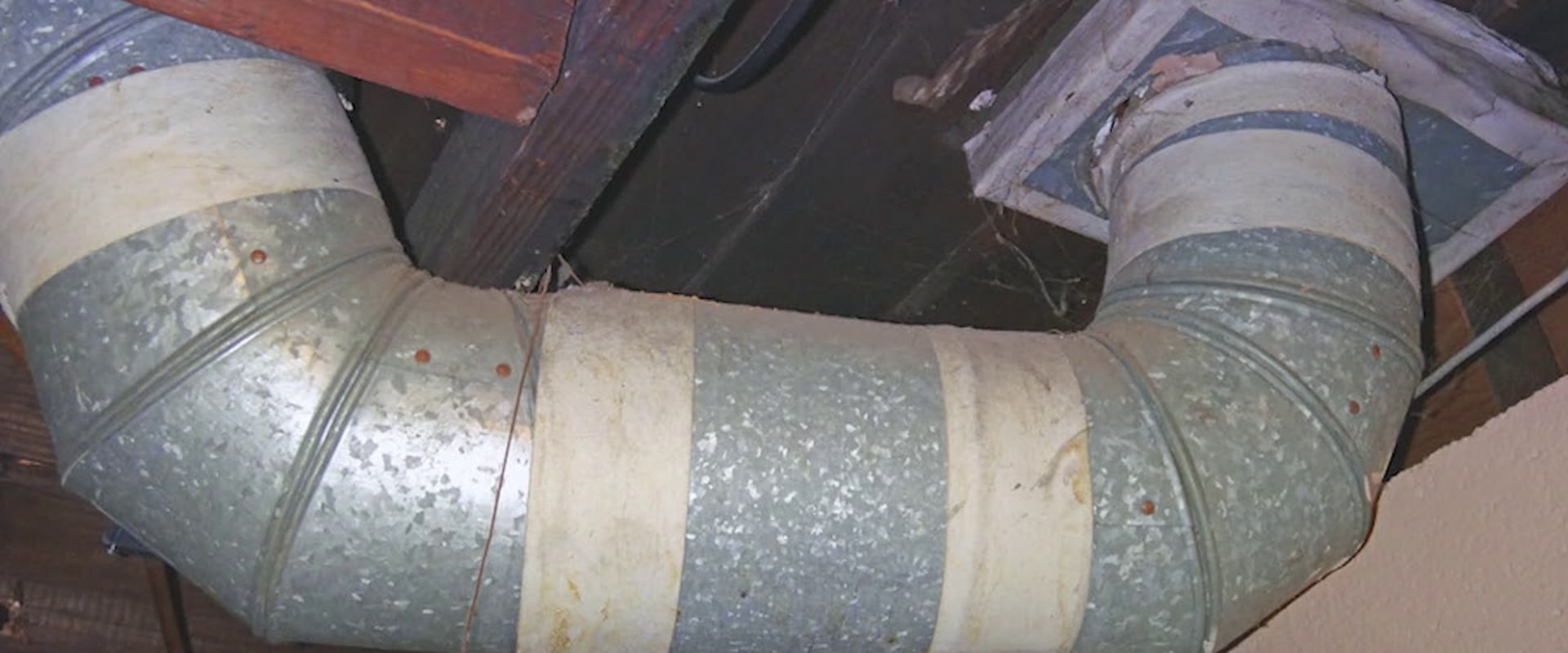
Ductwork is a fundamental component of any HVAC (Heating, Ventilation, and Air Conditioning) system, serving as the network through which conditioned air flows to maintain a comfortable indoor environment. Its primary function is to distribute heated or cooled air throughout a building, ensuring that every room receives adequate airflow. However, ductwork does more than just regulate temperature; it plays a crucial role in maintaining indoor air quality by facilitating the removal of pollutants, allergens, and excess moisture from the air.Understanding the importance of ductwork is essential for homeowners and property managers alike. Over time, duct systems can develop issues such as leaks, blockages, or contamination from dust and mold.
These problems not only hinder the efficiency of your HVAC system but can also lead to health concerns for occupants. Regular duct repair and maintenance are vital to ensure that your ductwork operates effectively and safely. By addressing these issues promptly, you can enhance the performance of your HVAC system while also improving the overall air quality in your home.As we delve deeper into the topic of reusing old ductwork, it’s important to recognize that the condition and design of your existing duct system can significantly impact its functionality. Factors such as age, material composition, and previous maintenance history all play a role in determining whether old ductwork can be effectively reused or if it requires replacement.
In this discussion, we will explore these aspects in detail, helping you make informed decisions about your HVAC system and its components.
Can Old Ductwork Be Reused?
When considering whether to reuse old ductwork, several critical factors come into play that can significantly influence the decision. Understanding these factors is essential for homeowners looking to optimize their HVAC systems while managing costs effectively.Age of Ductwork
: One of the primary considerations is the age of the ductwork. Generally, if your ductwork is over 15-20 years old, it may be nearing the end of its functional lifespan. Older systems are more susceptible to issues such as leaks, corrosion, and reduced airflow efficiency.
If your ductwork shows signs of wear and tear, it may be more prudent to consider replacement rather than reuse.
Condition Assessment
: The physical condition of the ductwork is another vital factor. Even relatively new ductwork can be problematic if it has been poorly installed or maintained. Signs of damage such as rust, mold growth, or pest infestations can indicate that the ductwork is not suitable for reuse. A thorough inspection by a qualified HVAC technician can help identify these issues and determine if duct repair options are viable.
Material Type
: The material from which the ductwork is constructed also plays a significant role in its longevity and reusability.
Metal ducts tend to last longer than flexible ducts made from plastic or foil. If your existing system consists of flexible materials, it may be more prone to damage and require replacement sooner than metal alternatives.
Compatibility with New Systems
: If you are upgrading your HVAC system, compatibility becomes a crucial consideration. Newer systems often have different airflow requirements and specifications that older ductwork may not meet. In such cases, attempting to modify existing ducts can lead to inefficiencies and performance issues.
It may be more cost-effective in the long run to replace the ductwork entirely.
Health Considerations
: Another important aspect to consider is indoor air quality. Old ductwork can harbor dust, allergens, and even mold, which can pose health risks to occupants. If these contaminants cannot be adequately removed or if the ducts are too damaged, reusing them could compromise your home’s air quality.In summary, while reusing old ductwork can offer cost savings and environmental benefits, it is essential to evaluate its age, condition, material type, compatibility with new systems, and potential health risks before making a decision. Consulting with an HVAC professional can provide valuable insights tailored to your specific situation.
Factors Influencing Ductwork Reusability
When considering the reusability of old ductwork, several critical factors come into play.Understanding these elements can help homeowners make informed decisions about whether to keep their existing duct systems or invest in new ones.
Age of Ductwork
The age of ductwork is one of the primary indicators of its potential for reuse. Generally, duct systems that are over 15-20 years old may exhibit signs of wear and tear that could compromise their efficiency. As ductwork ages, it becomes more susceptible to issues such as:- Corrosion: Metal ducts can rust, especially in humid environments.
- Cracks and Leaks: Over time, joints may weaken, leading to air leaks that reduce system efficiency.
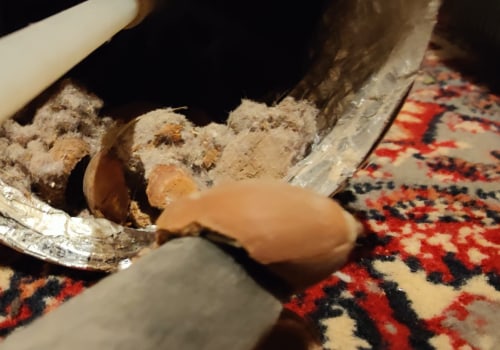
- Accumulation of Debris: Older ducts may harbor dust, allergens, and even mold, which can affect indoor air quality.
Condition of Ductwork
The condition of the ductwork is equally important. Even relatively new ducts can be in poor condition due to improper installation or lack of maintenance.Homeowners should look for:
- Visible Damage: Inspect for dents, holes, or signs of water damage.
- Pest Infestation: Rodents or insects can damage ducts and introduce health risks.
- Mold Growth: Any signs of mold indicate that the ductwork may need replacement.
Duct Material Types
The type of material used in the ductwork significantly influences its longevity and reusability. Common materials include:- Sheet Metal: Durable and long-lasting but can corrode if not properly maintained.
- Fiberglass: Lightweight and easy to install but can degrade over time and may harbor mold.
- Flexible Ducting: Often made from plastic or foil; while easy to install, it is more prone to damage and may need replacement sooner than metal options.
Changes in HVAC Systems
If you are upgrading your HVAC system, it’s crucial to consider how these changes might affect your existing ductwork. Factors include:- Increased Capacity: New systems may require larger ducts to accommodate higher airflow.
- Different Airflow Patterns: Modifications in layout may necessitate adjustments or complete replacement of existing ducts.
- Energy Efficiency Standards: Newer systems often operate at higher efficiencies, which older ducts may not support effectively.
Benefits of Reusing Old Ductwork
Reusing old ductwork can offer several significant advantages, making it an appealing option for homeowners considering upgrades to their HVAC systems.Below are some of the key benefits associated with this practice.
Cost Savings on Duct Repair
One of the most compelling reasons to consider reusing old ductwork is the potential for cost savings. Replacing ductwork can be a substantial financial burden, often running into thousands of dollars. By opting to repair and reuse existing ducts, homeowners can significantly reduce their overall renovation costs. This is particularly beneficial for those on a tight budget or looking to allocate funds to other home improvement projects.Eco-Friendly Duct Options
In today’s environmentally conscious world, reusing materials is a key strategy in reducing waste and conserving resources.By choosing to keep your old ductwork, you are not only minimizing the amount of material that ends up in landfills but also decreasing the demand for new manufacturing processes that consume energy and raw materials. This eco-friendly approach contributes to a lower carbon footprint, aligning with sustainable living practices.
Familiarity with Duct Layout
Another advantage of reusing old ductwork is the familiarity it provides. Homeowners who have lived in their homes for an extended period often have a good understanding of their existing duct layout. This knowledge can be invaluable when making adjustments or repairs.Familiarity with the system means less time spent troubleshooting issues and more confidence in how air flows through the home. Additionally, maintaining the same layout can help ensure consistent heating and cooling performance throughout the space.In summary, reusing old ductwork presents numerous benefits, including cost savings, environmental advantages, and a sense of familiarity with your home's heating and cooling system. These factors make it a viable option for many homeowners looking to enhance their HVAC systems without incurring excessive costs or contributing to environmental degradation.
Drawbacks of Reusing Old Ductwork
While reusing old ductwork can offer some advantages, it is crucial to consider the potential drawbacks that may arise. Understanding these issues can help homeowners make informed decisions about their HVAC systems.Duct Compatibility Issues
One of the primary concerns when reusing old ductwork is compatibility with new HVAC systems.As technology advances, newer heating and cooling units often require different specifications than older models. This can lead to:
- Size Mismatches: Newer systems may have different airflow requirements, which can result in ducts that are either too large or too small, leading to inefficiencies.
- Connection Problems: The fittings and connections of older ductwork may not align properly with modern equipment, necessitating additional modifications or even complete replacements.
- Reduced Efficiency: If the ductwork is not compatible, it can hinder the overall performance of the HVAC system, leading to increased energy consumption and higher utility bills.
Health Risks from Old Ductwork
Another significant drawback of reusing old ductwork is the potential health risks associated with poor air quality. Over time, duct systems can accumulate dust, mold, and other contaminants that may pose serious health hazards:- Mold Growth: Moisture can lead to mold development within the ducts, which can release spores into the air and trigger respiratory issues or allergies.
- Pest Infestations: Old ducts may provide a habitat for pests such as rodents or insects, which can introduce harmful bacteria and allergens into your home.
- Dust Accumulation: Dust and debris buildup can circulate through your home, aggravating asthma and allergy symptoms for sensitive individuals.
Efficiency Concerns with Old Ducts
The efficiency of an HVAC system is heavily influenced by the condition of its ductwork. Older ducts may develop various issues that compromise their effectiveness:- Leaks and Cracks: Over time, ducts can develop leaks that allow conditioned air to escape before reaching its intended destination.
This not only wastes energy but also leads to uneven heating or cooling throughout the home.
- Poor Insulation: Older duct systems may lack adequate insulation, resulting in heat loss during winter months or heat gain in summer. This inefficiency can significantly impact comfort levels and energy costs.
- Aging Materials: The materials used in older ductwork may degrade over time, leading to further inefficiencies and potential safety hazards.
Assessing Your Old Ductwork: When to Repair or Replace?
Assessing the condition of your old ductwork is crucial in determining whether to repair or replace it.Regular inspections can help identify potential issues before they escalate, ensuring your HVAC system operates efficiently. Here are some tips for conducting a thorough duct inspection:
- Visual Inspection: Start by visually examining the ductwork for any obvious signs of damage. Look for cracks, holes, or loose connections that could lead to air leaks.
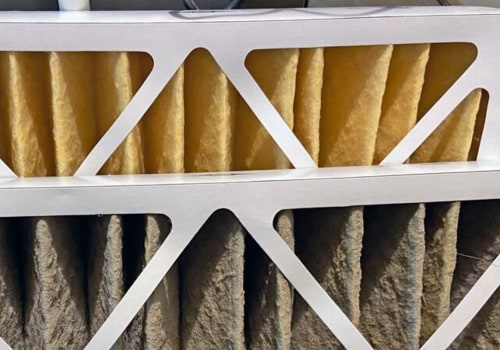
- Check for Dust and Debris: Accumulation of dust and debris inside the ducts can indicate poor airflow or leaks. If you notice excessive dust around vents, it may be time to investigate further.
- Listen for Unusual Noises: Pay attention to any strange sounds coming from your ductwork, such as rattling or whistling.
These noises can signal airflow issues or loose components.
- Inspect Insulation: If your ductwork is insulated, check the insulation for signs of moisture or damage. Wet insulation can lead to mold growth and reduced efficiency.
- Inconsistent Temperatures: If certain rooms in your home are significantly warmer or cooler than others, it may be due to leaks or blockages in the ductwork.
- Increased Energy Bills: A sudden spike in your energy bills can indicate that your HVAC system is working harder due to inefficient ductwork.
- Mold Growth: The presence of mold around vents or in the ductwork itself is a serious health concern and often requires immediate professional intervention.
- Pest Infestations: Signs of pests, such as droppings or nests near ducts, can compromise air quality and indicate that your ducts need repair.
They will provide you with an informed recommendation on whether repairs are sufficient or if a complete replacement is necessary.Ultimately, understanding when to repair or replace old ductwork can save you money and improve the comfort of your home. Regular maintenance and timely assessments are key to ensuring your HVAC system remains efficient and effective.
Professional Help: The Role of HVAC Technicians in Duct Repair
When it comes to duct repair, the expertise of professional HVAC technicians is invaluable. These trained specialists possess the knowledge and experience necessary to accurately assess the condition of your ductwork and recommend appropriate solutions. Attempting to diagnose or repair duct issues without professional help can lead to further complications and increased costs.Understanding the Importance of Professional Duct Inspection
One of the primary roles of HVAC technicians is conducting thorough inspections of duct systems.
During a professional duct inspection, technicians utilize advanced tools and techniques to identify problems such as:
- Leaks and cracks that can lead to energy loss
- Blockages caused by dust, debris, or pests
- Mold growth that can affect indoor air quality
- Improper insulation that may cause temperature fluctuations
The Benefits of Hiring HVAC Experts
Engaging an HVAC technician for duct repair offers several advantages:
- Expert Assessment: Technicians are trained to recognize subtle signs of wear and damage that may go unnoticed by untrained eyes.
- Tailored Solutions: Based on their findings, they can provide customized recommendations that address your specific needs, whether it involves sealing leaks, cleaning ducts, or replacing sections of ductwork.
- Safety Assurance: Professionals are equipped to handle hazardous materials and ensure that any repairs comply with local building codes and safety regulations.
- Long-Term Savings: Investing in professional services can lead to improved energy efficiency, reducing your utility bills over time.
Conclusion: Making Informed Decisions About Your Ductwork
In summary, the decision to reuse old ductwork or invest in new duct systems is not one to be taken lightly. As we have explored throughout this article, several critical factors influence this choice, including the age, condition, and material of your existing ducts, as well as any modifications to your HVAC system.When considering duct repair or reuse, it is essential to conduct a thorough assessment of your current ductwork. Here are some key points to keep in mind:- Age Matters: Ductwork that is over 15-20 years old may be more prone to issues such as leaks and inefficiencies.
If your ducts fall into this category, a professional evaluation is crucial.
- Condition Assessment: Inspect for signs of damage, such as rust, mold, or pest infestations. These factors can significantly impact indoor air quality and overall system performance.
- Material Considerations: Different materials have varying lifespans and durability. Metal ducts generally last longer than flexible options like plastic or foil.
- System Compatibility: If you are upgrading your HVAC system, ensure that your existing ductwork can accommodate the new equipment without compromising efficiency.
However, if the assessment reveals that your ducts are outdated or damaged, investing in new ductwork may be the best course of action for optimal performance and safety.In conclusion, whether you choose to repair or replace your ductwork, consulting with a qualified HVAC professional is invaluable. They can provide tailored advice based on your specific situation and help you navigate the complexities of maintaining an efficient heating and cooling system in your home.